Introduction:
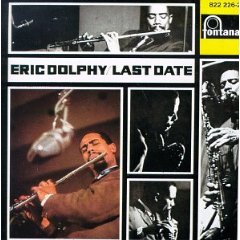
Eric Dolphy, a pioneer in the world of jazz, left an indelible mark with his innovative approach and emotive performances. His album “Last Date,” released in early 1965, encapsulates his genius and serves as a testament to his enduring influence on jazz. Recorded on June 2, 1964, in Hilversum, North Holland, the album features Dolphy alongside the Misha Mengelberg trio, comprising Mengelberg on piano, Jacques Schols on double bass, and Han Bennink on drums. This live recording, made for an audience of recording executives and studio personnel, captures Dolphy at a critical juncture in his career, just after he had settled in Paris following a tour with Charles Mingus.
The Context of “Last Date”:
“Last Date” holds a special place in jazz history, not only because of its musical brilliance but also due to its poignant timing. The album was recorded just weeks before Dolphy’s untimely death from diabetic shock on June 29, 1964. Despite its title, “Last Date” was not Dolphy’s final recorded performance; he continued to play and record with other musicians in mid-June 1964. Nevertheless, the album stands as a significant milestone, marking the end of an era and highlighting Dolphy’s unparalleled contribution to jazz.
Help yourself to some live jazz, and help the artists and clubs fulfill their dreams. Sign up to Oh! Jazz to watch live and on-demand performances. 25% of your subscription goes back to the artists and 10% to the clubs.
Learn more about Oh! Jazz here.
The Significance of the Recording:
The recording of “Last Date” is significant for several reasons. Firstly, it features one of the earliest recorded appearances of Misha Mengelberg, who would go on to become a major figure in European avant-garde jazz. Secondly, the album captures a unique blend of Dolphy’s American jazz roots with the burgeoning European jazz scene, represented by Mengelberg, Schols, and Bennink. This fusion of styles and influences is evident throughout the album, creating a rich and dynamic listening experience.
Track-by-Track Exploration:
“Epistrophy”
The album opens with Thelonious Monk’s “Epistrophy,” a track that showcases Dolphy’s mastery of the bass clarinet. His interpretation of the piece goes beyond standard fare, incorporating voicings and phrasing that push the boundaries of Monk’s original composition. Mengelberg’s piano lines complement Dolphy’s avant-garde approach, creating a dialogue that is both playful and profound.
“South Street Exit”
“South Street Exit” is a post-bop blues that demonstrates Dolphy’s ability to blend tunefulness with adventurous improvisation. Bennink’s drumming adds a dynamic and unpredictable element to the track. Dolphy’s alto saxophone navigates through the piece with precision and flair, breaking off into tangents that keep the listener engaged and intrigued.
“The Madrig Speaks, the Panther Walks”
This track is perhaps the most definitive on the album, encapsulating Dolphy’s inside-out concept and innovative approach to composition. The piece features mixed tempos that change at will, with Dolphy’s choppy alto merging into playful segments. The title itself suggests a narrative quality, with the music unfolding like a story that invites listeners to follow along.
“Hypochristmutreefuzz”
Composed by Mengelberg, “Hypochristmutreefuzz” is characterized by its angularity and understated complexity. Schols plays his bass in the upper register, while the band dances around him, creating a piece that is both whimsical and intellectually stimulating. The track’s title reflects its quirky and avant-garde nature, offering a glimpse into the experimental spirit that defined much of Dolphy’s work.
“You Don’t Know What Love Is”
Dolphy’s rendition of this standard is nothing short of masterful. His flute playing on “You Don’t Know What Love Is” is imbued with high-drama vibrato tones. The bittersweet intent of the song is perfectly captured, with Dolphy’s emotive performance drawing out the full emotional depth of the piece.
“Miss Ann”
“Miss Ann” features Dolphy’s signature alto saxophone sound, which is angular and jovial, reminiscent of Monk’s style. The track’s ribald humor and off-kilter approach exemplify Dolphy’s unique ability to blend technical skill with expressive freedom. The performance is both engaging and boundary-pushing, highlighting Dolphy’s influence on the evolution of jazz.
“Miss Ann” and the Interview Excerpt
The final track, “Miss Ann,” is followed by a brief excerpt from an interview recorded by Michiel de Ruyter for Dutch radio. In this poignant moment, Dolphy states, “when you hear music, after it’s over, it’s gone in the air, you can never capture it again.” This statement resonates deeply, underscoring the ephemeral nature of live music and the lasting impact of Dolphy’s work.
Legacy and Influence:
“Last Date” has been the subject of much acclaim and analysis. Critics and biographers have hailed it as a vital set of performances that capture Dolphy’s unique approach to jazz. Michael G. Nastos of AllMusic describes the album as one whose reputation grows with every passing year, marking the passing of one era and the beginning of a potent and enduring legacy of European creative improvised tradition. The album’s influence extends beyond Dolphy himself, highlighting the contributions of Mengelberg, Schols, and Bennink in shaping a new direction in jazz.
Rediscovered Treasures:
Ten years after the recording of “Last Date,” Mengelberg found a rehearsal tape containing an 18-minute run-through of “Epistrophy” from the day before the concert. This tape was subsequently released on the Instant Composers Pool label, providing fans with a rare glimpse into the trio’s rehearsal process. This discovery adds another layer to the album’s legacy, offering new insights into the creative dynamics at play.
Documentary and Cultural Impact:
“Last Date” also inspired the 1991 documentary of the same name, directed by Hans Hylkema. The film includes video clips from Dolphy’s TV appearances and interviews with key figures in his life and career. The documentary further cements Dolphy’s legacy, providing a visual and narrative context for his groundbreaking work and enduring influence.
Eric Dolphy’s “Last Date” is more than just a live album; it is a testament to the enduring power of jazz and the innovative spirit of one of its greatest practitioners. The album captures a moment in time when Dolphy was at the height of his creative powers, collaborating with a trio of musicians who understood and complemented his unique vision. Through its rich and dynamic performances, “Last Date” continues to inspire and influence jazz musicians and enthusiasts around the world.
In celebrating “Last Date,” we not only honor Eric Dolphy’s remarkable legacy but also recognize the album’s role in bridging American and European jazz traditions. It stands as a powerful reminder of the transformative power of music and the lasting impact of a true jazz pioneer.
References:
- Simosko, V. & Tepperman, B. (1996). Eric Dolphy: A Musical Biography And Discography. Da Capo Press.
- Swenson, J. (1985). Rolling Stone Jazz Record Guide. Random House.
- Cook, R. & Morton, B. (2008). The Penguin Guide to Jazz Recordings. Penguin Books.
- “Last Date” album cover art. Retrieved from https://en.wikipedia.org/wiki/File:Eric_Dolphy_Last_Date.jpg

Leave a Reply