Introduction:
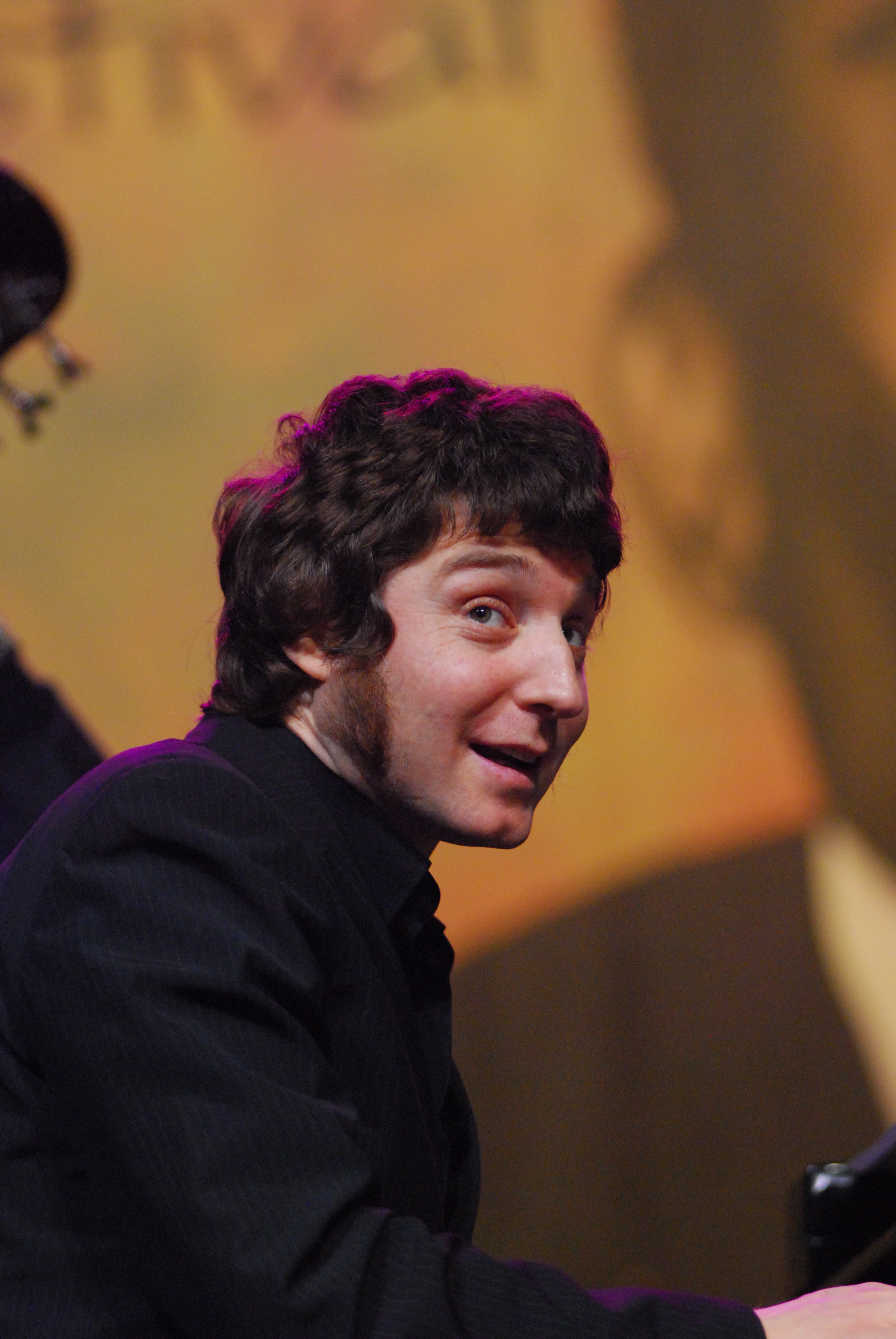
Benny Green stands as a modern maestro of jazz piano, renowned for his virtuosic playing, deep swing feel, and rich harmonic palette. With a career spanning several decades, Green has established himself as a leading figure in the jazz world, drawing inspiration from the bebop tradition while infusing his music with a fresh, contemporary sensibility. In this blog post, we will delve into the life, music, and legacy of Benny Green, highlighting his contributions to jazz and his enduring impact on the music world.
Early Life and Musical Beginnings:
Benny Green was born sixty-one years ago today on April 4, 1963, in New York City. However, he spent his formative years in Berkeley, California, where his musical journey began at the age of seven with classical piano lessons. Green’s early exposure to jazz was influenced by his father, a skilled jazz tenor saxophonist, sparking a lifelong passion for the genre.
Help yourself to some live jazz, and help the artists and clubs fulfill their dreams. Sign up to Oh! Jazz to watch live and on-demand performances. 25% of your subscription goes back to the artists and 10% to the clubs.
Learn more about Oh! Jazz here.
Green’s talent was recognized early on, and he was “discovered” by the esteemed vocalist Faye Carroll. While still in his teens, Green became a member of a quintet led by the renowned trumpeter Eddie Henderson, marking the beginning of his professional career. He further honed his skills at Berkeley High School, where he actively participated in the school’s jazz ensemble, showcasing his exceptional talent and dedication to the art form.
During his high school years, Green also secured a weekly trio gig at Yoshi’s, a renowned jazz club, providing him with invaluable experience and exposure to the professional jazz scene. These early opportunities laid the foundation for Green’s future success, setting him on a path to becoming one of the most respected and influential jazz pianists of his generation.
Rise to Prominence:
Green’s talent was evident from an early age, and he quickly gained recognition as a gifted pianist. He began performing professionally with jazz luminaries such as Art Blakey, Freddie Hubbard, and Betty Carter. These early collaborations helped to establish Green as a rising star in the jazz world, known for his impeccable technique, inventive improvisations, and deep understanding of the jazz tradition.
Musical Style and Innovation:
One of the hallmarks of Benny Green’s playing is his deep swing feel and rhythmic sophistication. He is known for his mastery of the bebop language, effortlessly weaving intricate melodic lines and harmonies into his improvisations. Green’s playing is characterized by its clarity, precision, and emotional depth, drawing listeners in with its infectious groove and captivating storytelling.
Collaborations and Solo Career:
Throughout his career, Green has collaborated with a wide range of musicians from various genres. He has recorded and performed with jazz legends such as Ray Brown, Milt Jackson, and Diana Krall, as well as leading his own groups and recording a series of critically acclaimed albums as a bandleader. Green’s solo career has been marked by its consistency and creativity, with each album showcasing his evolving musical vision and virtuosic playing.
Legacy and Influence:
Benny Green’s influence on jazz piano is profound, with his playing serving as a touchstone for a new generation of pianists. His commitment to the jazz tradition, coupled with his innovative spirit and musicality, has helped to keep the legacy of bebop alive while also pushing the boundaries of the genre forward. Green’s music continues to inspire audiences and musicians around the world, cementing his legacy as one of the greatest jazz pianists of his generation.
In conclusion, Benny Green is a true master of jazz piano, whose virtuosic playing and deep musicality have earned him a place among the jazz greats. His commitment to the jazz tradition, innovative spirit, and modern sensibility have helped keep the art form alive and vibrant in the 21st century. As we continue to explore the ever-evolving world of jazz, we can look to Benny Green as a guiding light, inspiring us to push the boundaries of our musical creativity and expression.
References:
- Cook, R. & Morton, B. (2008). The Penguin Guide to Jazz Recordings. Penguin Books.
- Benny Green picture. Retrieved from https://en.wikipedia.org/wiki/File:Benny_Green_(pianist).jpg
.jpg)
Leave a Reply