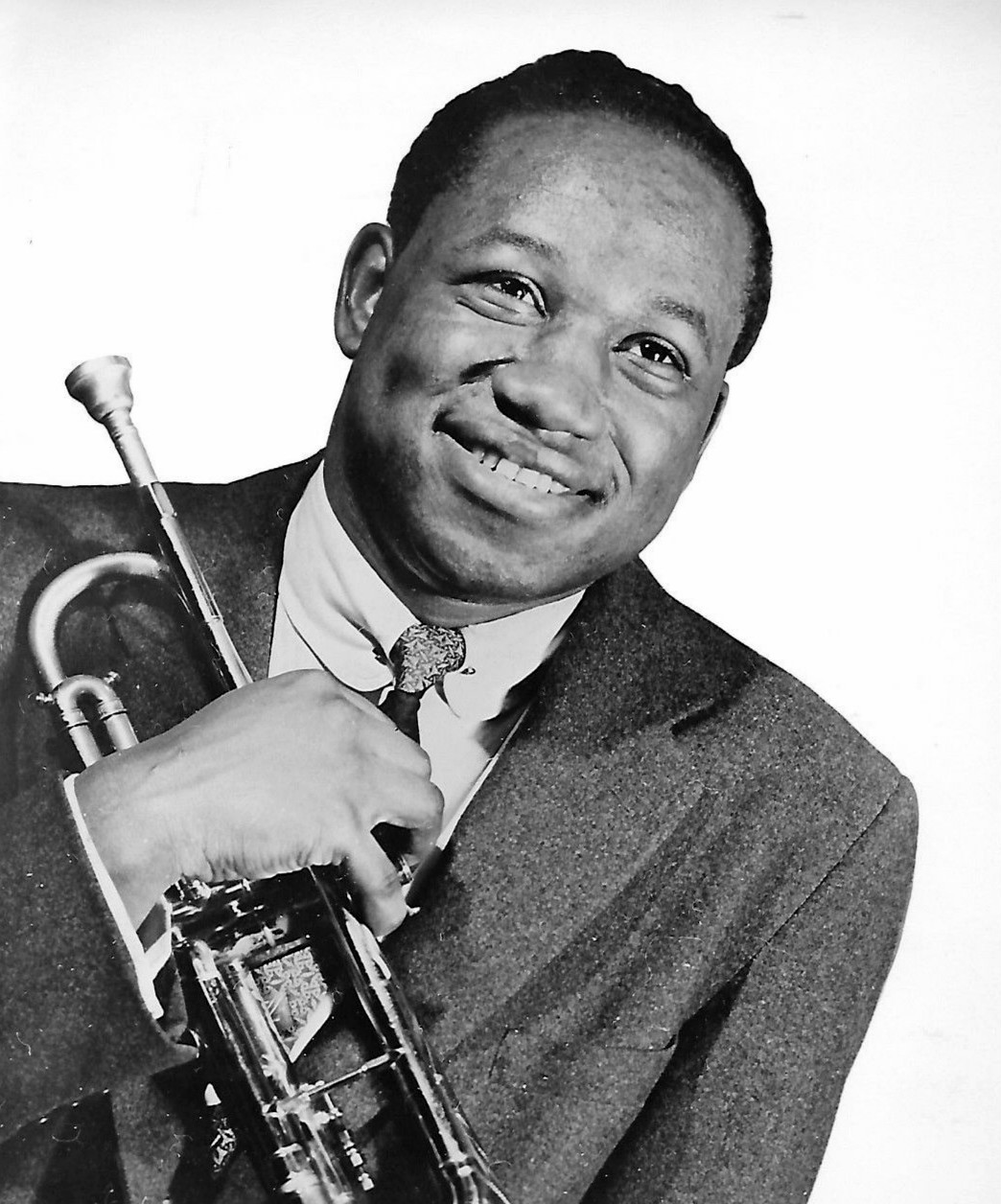
Introduction:
In the world of jazz, Clifford Brown, also known as “Brownie,” was a legendary personality whose tragically brief life made an enduring impression on the genre. Born in Wilmington, Delaware, on October 30, 1930, ninety-three years ago today, Brown’s ascent to fame as a trumpet player and composer demonstrated a remarkable skill that would change the trajectory of jazz history forever.
Early Years and Musical Genesis:
Brown’s childhood was filled with music. He began playing the trumpet at an early age, inspired by his father’s love of jazz. His exceptional skill was rapidly recognized, and by his adolescence, he was already performing with local bands. His instructors recognized his extraordinary qualities, fostered his talent, and instilled in him a strong respect for jazz traditions.
Help yourself to some live jazz, and help the artists and clubs fulfill their dreams. Sign up to Oh! Jazz to watch live and on-demand performances. 25% of your subscription goes back to the artists and 10% to the clubs.
Learn more about Oh! Jazz here.
The Formation of the Clifford Brown-Max Roach Quintet:
In the early 1950s, Brown joined forces with another jazz luminary, drummer Max Roach. Together, they formed the Clifford Brown-Max Roach Quintet, a collaboration that would yield some of the most influential recordings in the history of jazz. With Brown’s lyrical and technically brilliant trumpet work complemented by Roach’s innovative drumming, the quintet’s music was characterized by its tight, cohesive sound and complex yet accessible compositions.
The Quintessential Recordings:
The quintet’s discography is a treasure trove of jazz classics. Albums like “Clifford Brown & Max Roach” (1954) and “Study in Brown” (1955) showcased the group’s exceptional chemistry. Tracks like “Joy Spring” and “Daahoud” exemplified Brown’s virtuosity and his ability to infuse emotion and storytelling into his playing. His technical precision and melodic inventiveness set a new standard for trumpet players of his generation.
Impact and Influence:
Clifford Brown’s influence on subsequent generations of jazz musicians is immeasurable. His impeccable technique and soulful expressionism became a beacon for aspiring trumpet players worldwide. Artists such as Lee Morgan, Freddie Hubbard, and Donald Byrd all cited Brown as a primary influence on their own playing styles. His compositions, including “Sandu” and “Joy Spring,” remain standards in the jazz repertoire.
Tragedy Strikes: The Untimely Demise:
Sadly, Brown’s bright career was cut short in 1956 when he perished in an automobile accident alongside musician Richie Powell and Powell’s wife. At the time, Brown was just 25 years old. Although the jazz community lamented the passing of a real genius, his music’s enduring influence can still be heard today.
Legacy and Commemoration:
Clifford Brown’s influence has only become stronger in the decades that have passed since his death. His impact will undoubtedly remain a powerful force in the jazz world as long as countless musicians continue to learn and imitate his approach. He continues to be honored for his contributions to the art form with festivals, scholarships, and honors named after him.
Clifford Brown’s contribution to jazz cannot be overstated. His virtuosity, originality, and steadfast commitment to his profession continue to inspire and enchant audiences all over the world. Though his time on earth was limited, his music ensures that Clifford Brown’s name will be linked with excellence in the realm of jazz for the rest of time.
References:
- Catalano, N. (2001). Clifford Brown: The Life and Art of the Legendary Jazz Trumpeter. Oxford University Press.
- Rosenthal, D.H. (1993). Hard Bop: Jazz and Black Music 1955-1965. Oxford University Press.
- Clifford Brown picture. Retrieved from https://en.wikipedia.org/wiki/File:Clifford_Brown_1956.jpg

Leave a Reply