Introduction:
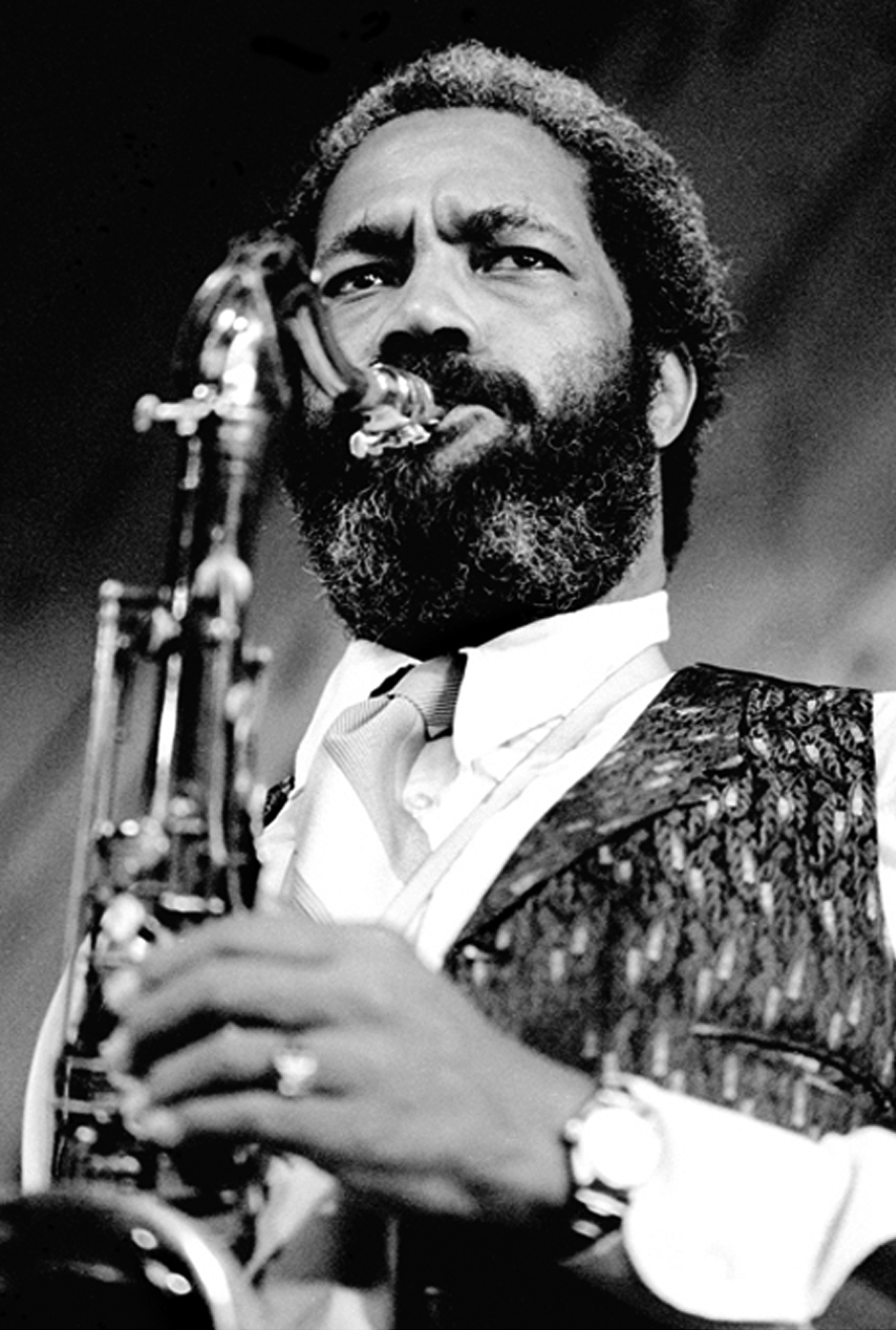
In the vast landscape of jazz, where legends often overshadow other brilliant musicians, Clifford Jordan stands as one of the most remarkable yet underappreciated tenor saxophonists of his time. His contribution to jazz is immense, marked by his distinctive sound, impeccable technique, and a deep-rooted commitment to the integrity of the music. Jordan’s career, which spanned over four decades, saw him collaborating with some of the biggest names in jazz, yet his legacy remains somewhat overlooked in comparison to his contemporaries. This blog post delves into the life, career, and musical contributions of Clifford Jordan, celebrating his artistry and the unique voice he brought to jazz.
Early Life and Musical Beginnings:
Clifford Laconia Jordan was born ninety-three years ago today on September 2, 1931, in Chicago, Illinois, a city known for its rich jazz heritage. Chicago’s vibrant jazz scene during the 1940s and 1950s provided an ideal environment for Jordan’s musical development. He grew up in a neighborhood teeming with musical talent, including future jazz greats like Johnny Griffin, who would later become one of his close associates.
Help yourself to some live jazz, and help the artists and clubs fulfill their dreams. Sign up to Oh! Jazz to watch live and on-demand performances. 25% of your subscription goes back to the artists and 10% to the clubs.
Learn more about Oh! Jazz here.
Jordan’s interest in music was sparked at an early age, initially playing the piano before switching to the saxophone during his teenage years. He attended DuSable High School, a school known for its outstanding music program, where he studied under the legendary band director Walter Dyett. Dyett’s rigorous training regimen helped mold Jordan’s technical prowess on the saxophone, and it wasn’t long before his talent began to shine.
The New York Jazz Scene:
In 1956, Clifford Jordan made the bold move to New York City, then the epicenter of the jazz world. Upon his arrival, he quickly recorded his first Blue Note album, “Blowing in from Chicago,” which featured an exceptional lineup including John Gilmore, Horace Silver, Curly Russell, and Art Blakey. Jordan’s remarkable talent on the tenor saxophone was immediately recognized, and he soon became a sought-after musician, performing alongside some of the most prominent jazz artists of the era.
Jordan’s early years in New York saw him performing with an array of top-tier jazz artists, including Max Roach, Horace Silver, and J.J. Johnson. His ability to adapt to different styles while maintaining his own voice made him a sought-after musician. By the late 1950s, Jordan had established himself as a formidable presence on the New York jazz circuit, and his career was beginning to gain momentum.
Recording Career and Key Albums:
Clifford Jordan’s recording career took off in 1957 with the release of his debut album, “Blowing in from Chicago,” on the Blue Note label. The album featured fellow Chicagoan and tenor saxophonist John Gilmore, along with the rhythm section of Horace Silver, Curly Russell, and Art Blakey. The record was well-received and showcased Jordan’s robust, confident tone, as well as his ability to navigate complex bebop lines with ease. “Blowing in from Chicago” remains a quintessential hard bop album and is often cited as one of Jordan’s finest works.
Throughout the 1960s, Jordan continued to record prolifically, both as a leader and sideman. He was part of Charles Mingus’ band during the early 1960s, contributing to seminal recordings like “Charles Mingus Sextet with Eric Dolphy Cornell 1964” and “The Great Concert of Charles Mingus.” Jordan’s work with Mingus highlighted his versatility and ability to blend seamlessly into the avant-garde explorations of the time while retaining his own distinctive voice.
In 1961, Jordan released “Starting Time” on the Jazzland label, an album that further cemented his reputation as a leading tenor saxophonist. The record featured trumpeter Kenny Dorham, pianist Cedar Walton, bassist Wilbur Ware, and drummer Albert Heath. “Starting Time” exemplifies Jordan’s mastery of both melody and rhythm, and his ability to convey deep emotion through his instrument.
One of Jordan’s most acclaimed albums as a leader is “Glass Bead Games,” released in 1974 on the Strata-East label. This double album, featuring Stanley Cowell and Cedar Walton on piano, Bill Lee and Sam Jones on bass, and Billy Higgins on drums, is considered by many to be Jordan’s magnum opus. “Glass Bead Games” is a testament to Jordan’s mature style, blending spiritual jazz with hard bop and post-bop elements. The album’s introspective compositions and the interplay between the musicians create a deeply profound listening experience, making it a standout in Jordan’s discography.
Later Career and Legacy:
As the jazz landscape evolved throughout the 1970s and 1980s, Clifford Jordan adeptly navigated these changes while steadfastly adhering to his artistic vision. He remained a dynamic force as both a performer and recording artist, collaborating with a wide array of musicians, ranging from traditional jazz stalwarts to pioneers of the burgeoning free jazz movement. During this period, Jordan also delved deeper into his role as a bandleader, further solidifying his influence on the genre.
Although Jordan never achieved the widespread fame of some of his contemporaries, his impact on jazz is undeniable. His distinctive tone—marked by a warm, rounded sound and impeccable phrasing—has inspired countless saxophonists who followed in his footsteps. Jordan’s unwavering commitment to the integrity of his music and his refusal to compromise his artistic ideals earned him the deep respect of his peers and secured his lasting legacy in jazz history.
Clifford Jordan’s life and career are a testament to the power of perseverance, artistry, and dedication to one’s craft. Though he may not be as widely recognized as some of his contemporaries, his contributions to jazz are profound and enduring. From his early days in Chicago to his influential recordings and collaborations in New York, Jordan consistently demonstrated his mastery of the tenor saxophone and his deep understanding of the jazz tradition.
Jordan’s music continues to resonate with listeners today, offering a rich and nuanced perspective on the jazz idiom. For those who have yet to explore his work, albums like “Blowing in from Chicago,” “Glass Bead Games,” and his recordings with Charles Mingus provide an excellent starting point. As we reflect on Clifford Jordan’s legacy, it becomes clear that he was not just an exceptional saxophonist, but also a true artist who made a lasting impact on the world of jazz.
References:
- Yanow, S. (2003). Jazz on Record – The First Sixty Years. Backbeat Books.
- Cook, R. & Morton, B. (2008). The Penguin Guide to Jazz Recordings. Penguin Books.
- Clifford Jordan picture. Retrieved from https://en.wikipedia.org/wiki/File:Clifford_Jordan.jpg

Leave a Reply