Introduction:
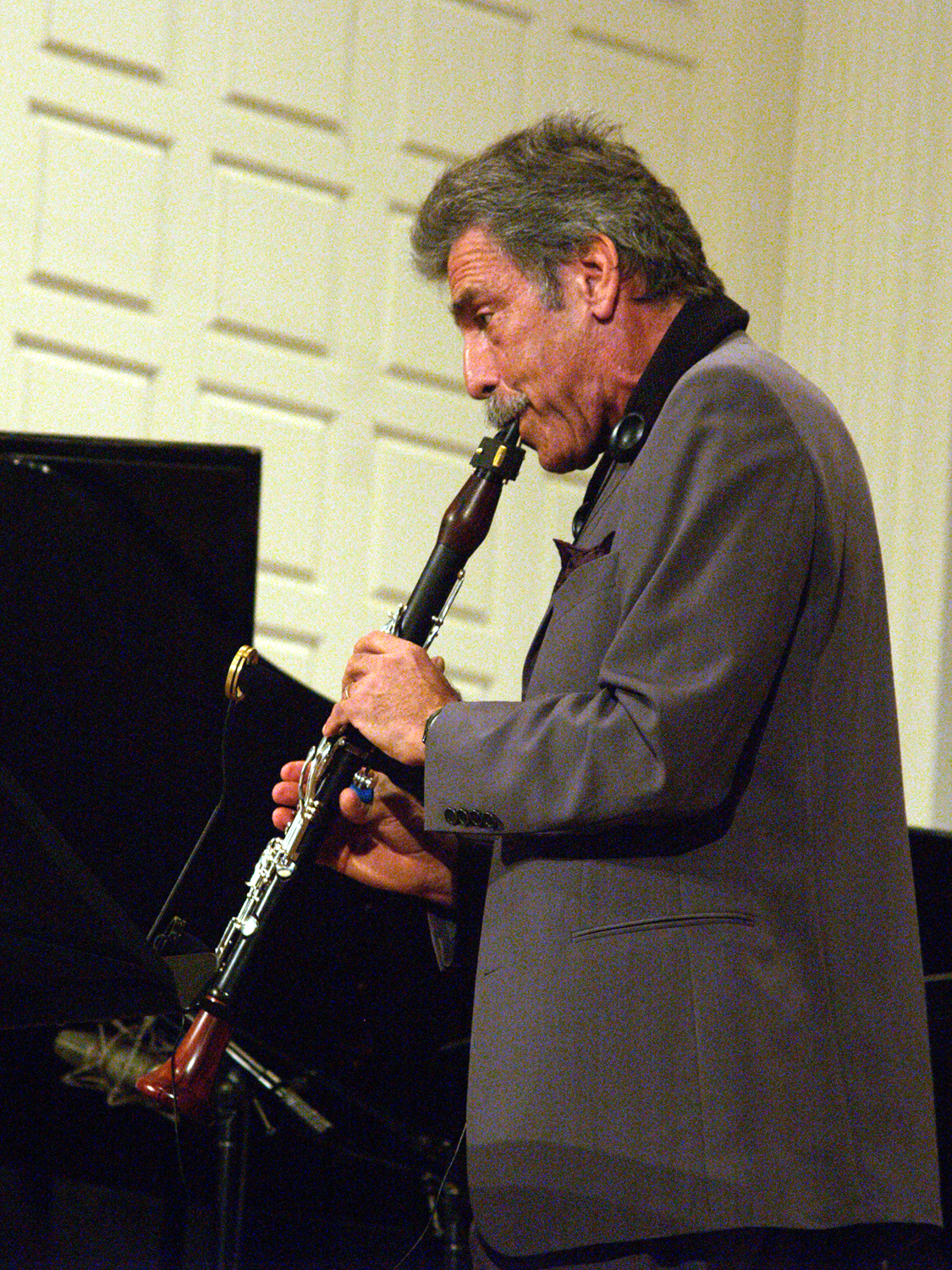
Eddie Daniels stands as a unique figure in the world of jazz and classical music, having earned respect and admiration for his virtuosic skills on both the clarinet and saxophone. His ability to seamlessly transition between these two instruments, each with its own distinct technical and expressive demands, sets him apart from many of his peers. With a career spanning several decades, Daniels has continually pushed the boundaries of what these instruments can do, becoming a legend in both jazz and classical circles. This post takes a closer look at Eddie Daniels’ life, career, and contributions to music.
Early Life and Musical Foundations:
Born eighty-three years ago today on October 19, 1941, in New York City, Eddie Daniels grew up in a rich musical environment that encouraged creativity and exploration. From an early age, Daniels was captivated by the power of music, and his interest in jazz was sparked during his teenage years when he became fascinated by the instrumentalists accompanying singers like Frank Sinatra on recordings. Starting on the alto saxophone, Daniels quickly expanded his musical horizons, taking up the clarinet at the age of 13. By the time he was 15, his burgeoning talent was already gaining recognition, and he had the opportunity to showcase his skills at the prestigious Newport Jazz Festival youth competition, marking the beginning of an extraordinary career.
Help yourself to some live jazz, and help the artists and clubs fulfill their dreams. Sign up to Oh! Jazz to watch live and on-demand performances. 25% of your subscription goes back to the artists and 10% to the clubs.
Learn more about Oh! Jazz here.
Daniels attended Fiorello H. LaGuardia High School in New York, where he honed his skills on the clarinet. He further pursued music education at the prestigious Juilliard School. His time at Juilliard sharpened his classical technique and opened his eyes to the depth of the classical repertoire for clarinet, laying the groundwork for his dual career.
Early Jazz Career and Rise to Prominence:
While Daniels received classical training, he was drawn to jazz during his youth, inspired by bebop pioneers such as Charlie Parker and Dizzy Gillespie. He soon became proficient on the tenor saxophone, which initially became his primary instrument in the jazz world. Daniels gained early experience playing in a variety of big bands, including those led by iconic bandleaders like Thad Jones and Mel Lewis.
It was in the late 1960s and early 1970s that Daniels started making a name for himself as a jazz soloist. His powerful, fluid improvisations on both the saxophone and clarinet were unique, as few jazz musicians were proficient on both instruments at such a high level. His remarkable versatility quickly earned him recognition among peers and critics alike.
Daniels’ ability to shift between classical and jazz idioms earned him a broader appeal. His work on the clarinet, in particular, was distinctive in jazz, as the instrument had largely fallen out of favor in the genre since the swing era. Daniels reintroduced the clarinet into modern jazz settings, demonstrating its capability for complex, expressive improvisation that could hold its own against more commonly used instruments like the saxophone.
The Clarinet Renaissance:
Eddie Daniels’ reinvention of the clarinet as a formidable instrument in the post-bop era is one of his most significant contributions to jazz. He made it clear that the clarinet was not just an instrument for classical or swing music, but that it could thrive in modern jazz contexts as well.
One of Daniels’ most significant albums in this regard was “Breakthrough” (1986), released on the GRP label. On this album, Daniels’ clarinet took center stage, and he displayed his extraordinary ability to navigate both the technical challenges of the instrument and the harmonic complexities of contemporary jazz. The album received widespread critical acclaim. This album and others like it helped re-establish the clarinet as a serious instrument in the jazz world.
Daniels continued to push the boundaries of the clarinet’s role in jazz with albums such as “To Bird with Love” (1987), a tribute to Charlie Parker, and “Memos from Paradise” (1988). In these recordings, Daniels showcased his ability to blend technical mastery with emotional depth, reaffirming his position as one of the leading clarinetists in jazz.
Expanding Horizons: Classical and Crossover Works
While Eddie Daniels achieved great success as a jazz clarinetist and saxophonist, he never abandoned his classical roots. He maintained a dual career in both jazz and classical music. His technical prowess on the clarinet allowed him to tackle some of the most demanding classical repertoire.
In addition to performing classical music, Daniels frequently explored crossover projects that blended jazz and classical elements. His album “The Five Seasons” (1990), for example, featured a jazz reinterpretation of Vivaldi’s “The Four Seasons.” The project exemplified Daniels’ ability to bridge the gap between jazz and classical music, creating a hybrid style that appealed to fans of both genres.
His ability to move seamlessly between these two worlds became his trademark. While many musicians have dabbled in both jazz and classical music, Daniels is one of the few who truly excelled in both fields. His recordings and performances as a classical clarinet soloist were met with the same level of enthusiasm and respect as his jazz work.
Continued Innovation and Collaboration:
Throughout the 1990s and 2000s, Daniels continued to innovate and expand his musical palette. He worked with a wide range of musicians, from classical conductors to jazz luminaries. His willingness to collaborate with diverse artists and explore new genres helped keep his music fresh and relevant.
Awards and Legacy:
Throughout his illustrious career, Eddie Daniels has garnered widespread recognition and numerous accolades for his groundbreaking contributions to both jazz and classical music. His virtuosity on the clarinet earned him the prestigious New Star on Clarinet Award from DownBeat magazine in 1968, a clear indication of his rising influence in the jazz world at the time. A significant highlight came in 1989 when Daniels received a Grammy Award for his role in Roger Kellaway’s arrangement of “Memos from Paradise.” This achievement further solidified his status as a versatile and innovative musician who consistently pushes the boundaries of his craft.
Eddie Daniels is a rare talent, a musician who has managed to excel in two demanding genres—jazz and classical music—while maintaining a unique voice on both the clarinet and saxophone. His career is a testament to the power of versatility, technical mastery, and creative exploration. By reintroducing the clarinet into modern jazz and expanding the possibilities of the instrument, Daniels has left an indelible mark on the world of music.
His dual career in jazz and classical music, as well as his willingness to experiment with different genres and traditions, has made him a trailblazer. Eddie Daniels remains an inspiration to musicians across the globe, proving that great music knows no boundaries.
References:
- Gioia, T. (2021). The History of Jazz. Oxford University Press.
- Eddie Daniels picture. Retrieved from https://en.wikipedia.org/wiki/File:Eddie_Daniels.jpg

Leave a Reply