Introduction:
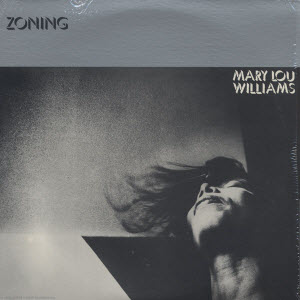
Mary Lou Williams, a pioneering figure in jazz history, released the album “Zoning” in October 1974. This groundbreaking work showcases Williams’ remarkable talent as a pianist, composer, and arranger, and it stands as a testament to her enduring influence on the jazz genre. Let’s delve into the world of “Zoning,” exploring its tracks, the critical reception it received, and the impact it had on the jazz landscape.
The Sound of “Zoning”:
“Zoning” features Williams in duo and trio settings, predominantly with bassist Bob Cranshaw and drummer Mickey Roker. The album’s music is characterized by its dynamic range and emotional depth, showcasing Williams’ ability to create rich and nuanced compositions. Tracks like “Zoning Fungus II” and “Ghost of Love” demonstrate Williams’ unique approach to jazz, blending traditional elements with avant-garde styles. Mary Lou Williams exudes a youthful vigor in “Zoning,” defying her status as a veteran of the 1920s. Her performance resonates with a contemporary edge, showcasing influences from McCoy Tyner and occasional hints of free jazz. This album is a captivating blend of modern jazz, where Williams’ timeless talent shines brightly, transcending generational boundaries.
Help yourself to some live jazz, and help the artists and clubs fulfill their dreams. Sign up to Oh! Jazz to watch live and on-demand performances. 25% of your subscription goes back to the artists and 10% to the clubs.
Learn more about Oh! Jazz here.
Critical Reception:
Upon its release, “Zoning” received widespread acclaim from critics and audiences alike. Jazz critic Gary Giddins named it one of the Ten Best Albums of the Year in his Village Voice column. He praised Williams’ ability to create melodies that linger in the mind, stating that her music “floats through the mind like breezes through a summer door.”
Phyl Garland, writing for Ebony magazine, hailed “Zoning” as a “dynamite album,” commending Williams for her adventurous spirit and innovative compositions. She described Williams as “the first lady of jazz” and lauded her ability to sound fresh and vibrant after five decades in the music industry.
Legacy and Influence:
“Zoning” is considered one of Mary Lou Williams’ finest recordings of her later years. The album showcases her ability to evolve with the times, incorporating elements of modern jazz while staying true to her unique musical voice. Williams’ influence can be heard in the work of countless musicians inspired by her innovative approach to jazz.
In conclusion, “Zoning” is a masterpiece highlighting Mary Lou Williams’ exceptional talent and enduring legacy in jazz. Her ability to push the boundaries of the genre while maintaining a deep respect for its traditions is a testament to her status as a jazz legend.
References:
- Cook, R. & Morton, B. (2008). The Penguin Guide to Jazz Recordings. Penguin Books.
- Swenson, J. (1999). The Rolling Stone Jazz and Blues Album Guide. Random House.
- Larkin, C. (2004). The Virgin Encyclopedia of Jazz. Virgin Pub.
- “Zoning” album cover art. Retrieved from https://en.wikipedia.org/wiki/File:Mary_Lou_Williams_Zoning_Cover.jpg


Leave a Reply