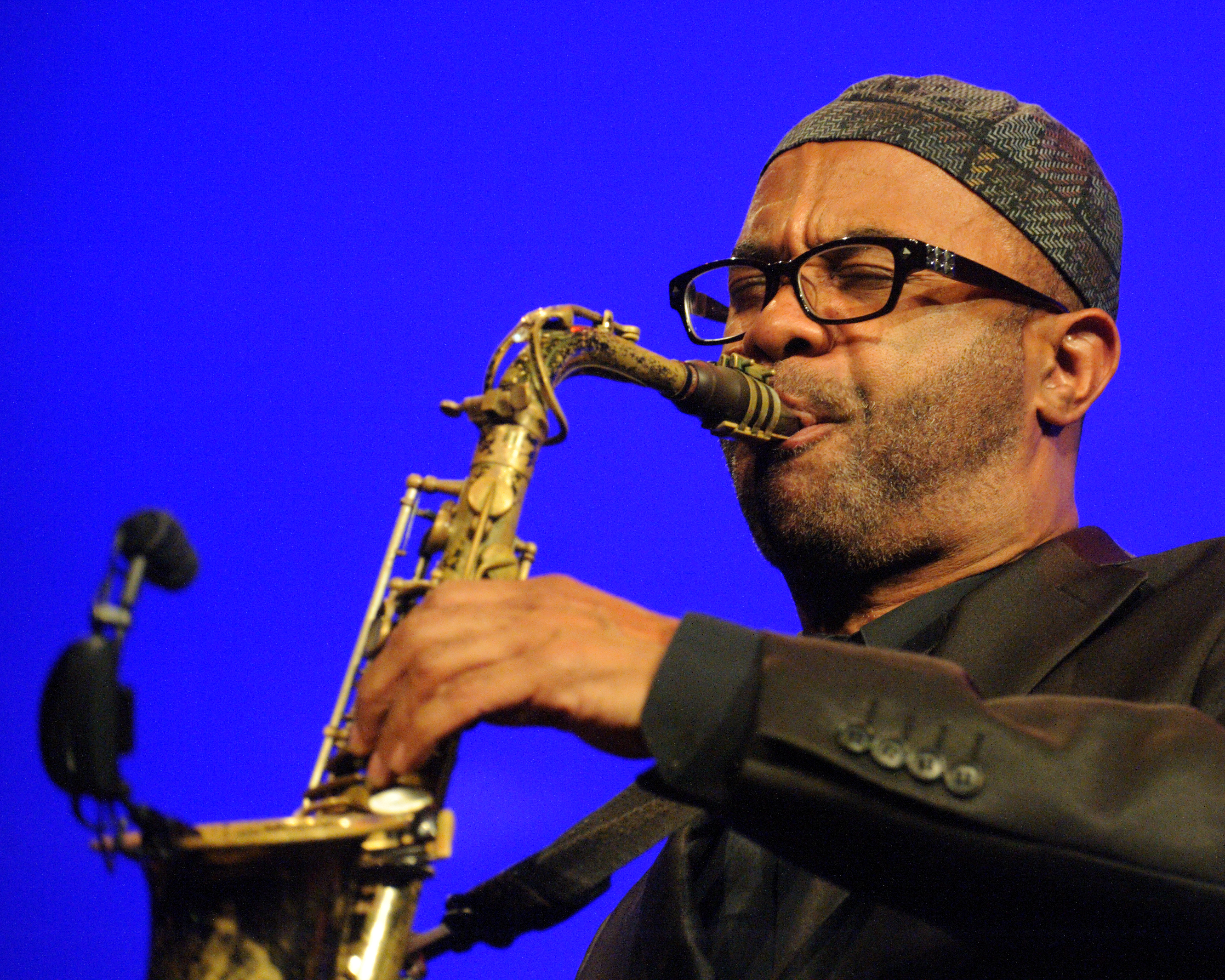
Introduction:
Kenny Garrett is a towering figure in the world of modern jazz. His remarkable career has spanned over four decades, and he has continually pushed the boundaries of his art. Known for his virtuosic alto saxophone playing, soulful compositions, and contributions to both acoustic and electric jazz, Garrett has established himself as a leading voice in contemporary music. His unique ability to blend jazz traditions with modern elements, world influences, and a deep emotional intensity has earned him a place among the greats.
Early Life and Musical Beginnings:
Kenny Garrett was born sixty-four years ago today on October 9, 1960, in Detroit, Michigan, a city with a rich musical heritage, especially in jazz, blues, and Motown. Garrett’s father was a carpenter and part-time jazz musician who played tenor saxophone, which helped kindle Garrett’s early interest in the instrument. By the time he was in high school, Garrett had already developed a passion for music, studying the saxophone and quickly emerging as a prodigious talent.
Help yourself to some live jazz, and help the artists and clubs fulfill their dreams. Sign up to Oh! Jazz to watch live and on-demand performances. 25% of your subscription goes back to the artists and 10% to the clubs.
Learn more about Oh! Jazz here.
Detroit was fertile ground for Garrett’s development as a musician. The city had a thriving jazz scene during the 1960s and 70s, with legendary musicians like Milt Jackson, Elvin Jones, and Hank Jones all hailing from Detroit. The Motown sound was also in full swing during this period, creating an atmosphere rich in musical diversity. Garrett was steeped in both the jazz and R&B traditions, which would later shape his musical identity.
Joining the Duke Ellington Orchestra:
At the age of 18, Kenny Garrett’s career took off when he was invited to join the Duke Ellington Orchestra, which at the time was being led by Duke’s son, Mercer Ellington. This was a major opportunity for Garrett, who had the chance to perform with an ensemble that was steeped in jazz tradition. His time with the Ellington Orchestra gave him invaluable experience in big band settings, helping him refine his skills as both a soloist and section player.
Miles Davis and the Electric Jazz Revolution:
Perhaps the most significant turning point in Kenny Garrett’s career came in the late 1980s when he joined the band of legendary trumpeter Miles Davis. At this point, Davis was exploring electric jazz and funk, blending elements of rock, R&B, and hip-hop with jazz in ways that were bold and innovative. Garrett became a key member of this group and contributed to several of Davis’ later albums, including “Amandla” (1989).
Solo Career and Signature Sound:
In the 1990s, Garrett emerged as a bandleader in his own right, releasing a series of critically acclaimed albums. His 1995 album, “Triology,” and 1997’s “Songbook” helped establish him as one of the premier saxophonists of his generation. With “Songbook,” Garrett became known for his ability to compose memorable tunes while also pushing the envelope in terms of harmonic and rhythmic complexity.
Garrett’s sound is deeply rooted in the jazz tradition, but it also draws from a wide array of influences. From John Coltrane and Charlie Parker to African, Indian, and Latin music, his compositions reflect a global musical consciousness. His tone on the alto saxophone is bold and assertive, often described as “fiery,” but he can also play with a tender lyricism that touches listeners on an emotional level.
Another hallmark of Garrett’s style is his rhythmic inventiveness. His compositions often feature complex, syncopated rhythms that challenge both the listener and the performer. Yet, even in the most intricate pieces, Garrett’s music remains accessible due to its emotional intensity and melodic richness.
Global Influence and Collaborations:
Throughout his career, Garrett has been an avid collaborator, working with a wide variety of musicians from different genres and backgrounds. In addition to his work with jazz legends like Miles Davis, Art Blakey, and Chick Corea, Garrett has also collaborated with musicians outside of jazz, including rock and hip-hop artists. This openness to different genres has allowed him to stay relevant and continue evolving as an artist.
Garrett’s interest in world music has also played a significant role in shaping his sound. His travels to Africa, Asia, and Latin America have exposed him to different musical traditions, and he has incorporated these elements into his compositions. Albums like “Beyond the Wall” (2006) feature influences from Chinese music, while “Seeds from the Underground” (2012) includes nods to African and Latin rhythms.
In interviews, Garrett has spoken about how music from other cultures has broadened his perspective and allowed him to explore new sonic territories. His openness to global sounds has made him a more versatile and innovative musician, capable of blending different musical languages while still maintaining his signature style.
Recent Work and Legacy:
Kenny Garrett’s later work has continued to push boundaries while staying true to his jazz roots. Albums like “Pushing the World Away” (2013) and “Do Your Dance!” (2016) have earned praise for their boldness and creativity. In 2021, Garrett released “Sounds from the Ancestors,” an album that pays tribute to his musical forebears while also pushing his sound in new directions.
“Sounds from the Ancestors” is a particularly poignant work, as it reflects Garrett’s deepening engagement with the history and spiritual roots of jazz. The album draws inspiration from African American spirituals, gospel music, and the blues, all while incorporating modern elements like hip-hop beats. It’s a testament to Garrett’s ability to synthesize the past and the present, creating music that feels both timeless and contemporary.
Garrett’s influence on younger musicians cannot be overstated. Many contemporary saxophonists cite him as a major inspiration, not only for his technical prowess but also for his ability to convey deep emotion through his music. His willingness to experiment and evolve has kept him at the forefront of the jazz world, and his work continues to inspire listeners and musicians alike.
Kenny Garrett is a musician who has never been content to rest on his laurels. His career is marked by a restless creativity, a deep respect for jazz tradition, and a constant desire to push the boundaries of his art. Whether playing straight-ahead jazz, exploring electric and fusion sounds, or incorporating global influences into his music, Garrett has always remained true to his voice as an artist.
For fans of modern jazz, Kenny Garrett represents the best of both worlds: a master of the tradition who is unafraid to embrace the future. His contributions to jazz, both as a solo artist and as a collaborator, have earned him a place among the greatest saxophonists of all time. As he continues to release new music and perform around the world, there’s no doubt that Kenny Garrett’s legacy will continue to grow, inspiring future generations of musicians.
References:
- Gioia, T. (2021). The History of Jazz. Oxford University Press.
- Kenny Garrett picture. Retrieved from https://en.wikipedia.org/wiki/File:Kenny_Garrett_(2013).jpg
.jpg)
Leave a Reply