Introduction:
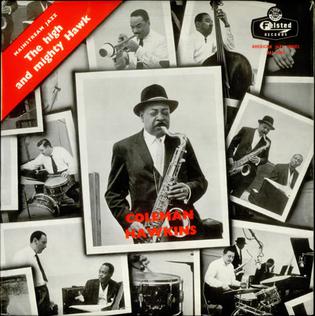
The 1958 album “The High and Mighty Hawk” by tenor saxophonist Coleman Hawkins is a testament to the enduring genius of one of jazz’s foundational figures. Released on the Felsted label, this six-track recording captures Hawkins’ command of the tenor saxophone as he ventured into new territory, proving once again why he was revered as “the father of the tenor sax.” At a time when modern jazz was evolving rapidly, Hawkins’ ability to adapt, innovate, and retain his signature sound remained unparalleled. This blog delves into the album’s history, music, personnel, and legacy.
The Setting and Context:
Recorded over two days, February 18–19, 1958, in New York City, “The High and Mighty Hawk” arrived during a period of stylistic expansion in jazz. By then, Hawkins had been at the forefront of the genre for over three decades. Known for his harmonic complexity and virtuosity, Hawkins had already left an indelible mark on jazz with timeless performances like “Body and Soul.” However, despite his status as a titan of improvisation, he had not often explored the blues with the same intensity as other styles.
Help yourself to some live jazz, and help the artists and clubs fulfill their dreams. Sign up to Oh! Jazz to watch live and on-demand performances. 25% of your subscription goes back to the artists and 10% to the clubs.
Learn more about Oh! Jazz here.
This session marked a pivotal moment. As Scott Yanow noted in his AllMusic review, Hawkins demonstrated on the opening track, “Bird of Prey Blues,” that he had finally embraced and mastered the blues idiom, delivering a performance that was as spirited and emotional as it was technically brilliant.
The Tracks: A Blend of Sophistication and Soul
The album opens with “Bird of Prey Blues,” an 11-minute exploration of the genre. This track sets the tone for the session, with Hawkins delivering honking, roaring improvisations that evoke the raw energy of rhythm and blues while maintaining a jazz sophistication. His ability to balance extroverted emotionality with harmonic depth shines throughout the piece.
Other tracks on the album showcase Hawkins’ versatility. The ballad “My One and Only Love” highlights his lush tone and lyrical phrasing, offering a stark contrast to the bluesy exuberance of the opening track. Pianist Hank Jones contributes two compositions: “Vignette” and “Get Set.” The former is a brief, elegant piece, while the latter brings a playful, upbeat energy to the session. “Ooh-Wee, Miss G.P.!” is a Hawkins original that captures his wit and spontaneity, and the introspective “You’ve Changed” provides another tender moment on the album, rich in emotional nuance.
The Quintet: A Stellar Line-Up
The album features an extraordinary quintet, with each member bringing their own distinctive voice to the session:
- Coleman Hawkins (tenor saxophone): Hawkins’ commanding presence and signature tone lead the album, driving its emotional and technical brilliance.
- Buck Clayton (trumpet): Known for his work with Count Basie, Clayton’s warm, melodic style complements Hawkins perfectly, adding depth to the ensemble.
- Hank Jones (piano): A master of elegance and swing, Jones’ contributions as both a player and composer are central to the album’s charm.
- Ray Brown (bass): One of jazz’s most celebrated bassists, Brown anchors the group with his impeccable timing and rich tone.
- Mickey Sheen (drums): Sheen’s subtle yet dynamic drumming provides the rhythmic foundation, allowing the soloists to shine.
The Reception:
Critics and listeners alike praised “The High and Mighty Hawk” for its combination of bold blues playing and lyrical balladry. Yanow’s AllMusic review highlights the importance of “Bird of Prey Blues” in Hawkins’ career, noting how the track bridged the gap between traditional blues and the sophisticated stylings of jazz. The album also served as a reminder of Hawkins’ ability to remain relevant and inventive in the rapidly evolving jazz scene of the late 1950s.
The Legacy of “The High and Mighty Hawk:”
This album represents more than just another entry in Hawkins’ extensive discography; it’s a statement of his adaptability and creativity. At a time when younger players were pushing the boundaries of jazz, Hawkins demonstrated that he could not only keep up but also set the standard. “The High and Mighty Hawk” stands as a testament to his enduring artistry and his willingness to embrace new challenges, even after decades in the spotlight.
The influence of this session extends beyond Hawkins himself. The interplay between the musicians on this album exemplifies the collaborative spirit of jazz, with each player contributing to a unified artistic vision. For aspiring musicians, “The High and Mighty Hawk” serves as both a masterclass in blues expression and a celebration of jazz’s emotional depth.
“The High and Mighty Hawk” remains a cornerstone of Coleman Hawkins’ legacy. Its blend of blues mastery, lyrical balladry, and ensemble interplay showcases the multifaceted genius of one of jazz’s greatest pioneers. For longtime fans and newcomers alike, this album offers an intimate look at the artistry of a musician who forever changed the landscape of jazz.
References:
- Chilton, J. (1993). The Song of the Hawk: The Life and Recordings of Coleman Hawkins. University of Michigan Press.
- “The High and Mighty Hawk” album cover art. Retrieved from https://en.wikipedia.org/wiki/File:The_High_and_Mighty_Hawk.jpg

Leave a Reply