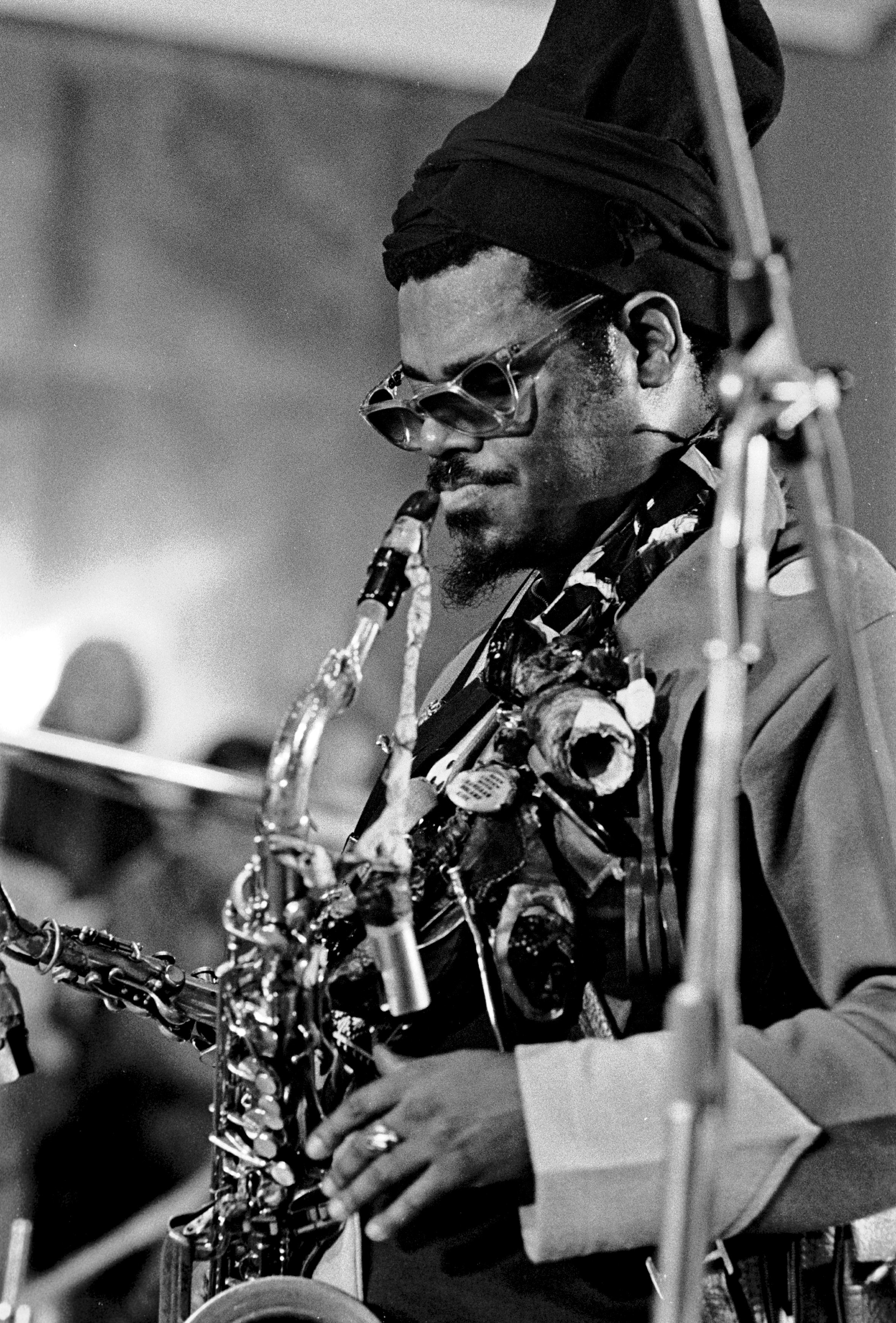
Introduction:
There have been innumerable musicians who have made an unmistakable stamp on the broad canvas of jazz. Rahsaan Roland Kirk was one such outstanding artist who stood out for his infinite invention, enthralling performances, and one-of-a-kind approach to music. Kirk distinguished himself from his peers with his command of numerous instruments and his creative use of circular breathing. Rahsaan Roland Kirk’s life, music, and legacy are discussed in this blog entry.
Early Life and Blindness:
Roland Kirk (then known as Ronald Theodore Kirk) was born in Columbus, Ohio, on August 7, 1935, exactly 88 years ago today. He grew up in a supportive musical atmosphere. He was raised in a musical family and was exposed to several different instruments from a young age. Tragically, at the young age of two, an eye infection caused him to lose his vision. Kirk continued to be passionate about music despite this setback. He acquired the skills to play several instruments and possessed a remarkable memory and internalization of difficult musical concepts.
Help yourself to some live jazz, and help the artists and clubs fulfill their dreams. Sign up to Oh! Jazz to watch live and on-demand performances. 25% of your subscription goes back to the artists and 10% to the clubs.
Learn more about Oh! Jazz here.
The Awakening of Rahsaan:
Kirk performed throughout the early years of his career as “Ronald Kirk.” Later, he underwent two name changes. First, Kirk felt obliged to swap two letters in his first name to create “Roland” because of a dream. Kirk added “Rahsaan” to his name in 1970 after hearing it in another dream.
Unique Approach to Music:
One of Kirk’s most notable attributes was his ability to play multiple instruments simultaneously. He perfected the technique of circular breathing, enabling him to sustain long, continuous notes while switching between various horns. He could play the tenor saxophone, manzello (modified saxophone), stritch (straight alto saxophone), flute, and nose flute, often employing them simultaneously. This mesmerizing spectacle earned him the moniker “The One-Man Saxophone Section.”
Kirk’s Music: Eclectic and Expansive
Rahsaan Roland Kirk’s music defied categorization. He seamlessly blended various genres, including jazz, blues, funk, and soul, into his performances. Kirk’s compositions were marked by their depth and emotional intensity, reflecting his experiences as an African-American musician and his views on social and political issues. Notable albums such as “Rip, Rig, and Panic,” “The Inflated Tear,” and “Bright Moments” showcased his brilliance as a composer and performer.
Social and Political Activism:
Beyond his musical prowess, Rahsaan Roland Kirk was a passionate advocate for civil rights and social justice. His compositions often carried profound messages, addressing racial inequality, and promoting unity among all people. Kirk used his performances as platforms to spread awareness about societal issues, making him a true artist of conscience during a time of great social change.
Legacy and Influence:
Rahsaan Roland Kirk’s untimely passing in 1977 at the age of 42 left a void in the jazz world. However, his impact on the genre and subsequent generations of musicians cannot be overstated. His pioneering use of circular breathing and his ability to play multiple instruments simultaneously inspired countless musicians to push the boundaries of their craft.
Additionally, Kirk’s unwavering dedication to using music as a tool for social change found favor with listeners all over the world. James Carter, David Murray, and Kamasi Washington continue the history of pushing jazz into new frontiers and using their art to advocate for a better society, and their work is influenced by him.
Rahsaan Roland Kirk was an extraordinary musician, a virtuoso who shattered musical conventions and championed the cause of social justice. His legacy continues to thrive, inspiring generations of jazz musicians to explore new avenues of expression and to use their art to uplift humanity.
The jazz world will forever remember Rahsaan Roland Kirk, who seamlessly melded diverse musical styles, brought instruments to life with his circular breathing, and used his voice to champion social equality and justice. His music and message remain relevant, making him an eternal figure in the annals of jazz history.
References:
- Kernfeld, B. (2002). The New Grove Dictionary of Jazz. Oxford University Press.
- Giddins, G. (2000). Visions of Jazz: The First Century. Oxford University Press.
- Rahsaan Roland Kirk picture. Retrieved from https://en.wikipedia.org/wiki/File:Roland-Kirk.jpg

Leave a Reply