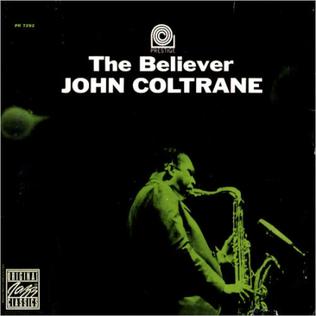
Introduction:
John Coltrane is one of jazz’s most transformative and innovative figures, known for his unparalleled ability to push the boundaries of the genre. His groundbreaking albums such as “A Love Supreme” and “Giant Steps” continue to inspire generations of musicians and listeners alike. Yet, understanding Coltrane’s later achievements requires an appreciation of his formative years—a period when his sound was still taking shape. Released in 1964, “The Believer” offers a rare glimpse into this crucial stage of Coltrane’s development. Recorded between 1957 and 1958, these sessions capture a young artist on the brink of redefining jazz, accompanied by some of the most distinguished musicians of the era.
This blog post will delve into the history, music, and enduring significance of “The Believer,” highlighting how this album foreshadowed Coltrane’s later genius while showcasing his mastery within the hard bop idiom.
The Album’s Background:
Help yourself to some live jazz, and help the artists and clubs fulfill their dreams. Sign up to Oh! Jazz to watch live and on-demand performances. 25% of your subscription goes back to the artists and 10% to the clubs.
Learn more about Oh! Jazz here.
Despite being released in 1964, “The Believer” compiles recordings from a much earlier period in Coltrane’s career. At the time of these sessions, Coltrane was a member of the Miles Davis Sextet and an emerging voice in the jazz world. Between December 1957 and December 1958, Coltrane recorded the three tracks that formed the album’s original release, under the production of Bob Weinstock and Esmond Edwards at the legendary Van Gelder Studio in Hackensack, New Jersey.
Prestige Records, the label Coltrane was signed to in the late 1950s, continued releasing albums after his contract had ended, packaging unissued material into “new” releases. “The Believer” was one such album, comprising three tracks: the title composition “The Believer,” Calvin Massey’s “Nakatini Serenade,” and the Rodgers and Hammerstein ballad “Do I Love You Because You’re Beautiful?”
Subsequent reissues of the album included two bonus tracks: “Filidé,” penned by tuba player Ray Draper, and Sonny Rollins’ composition “Paul’s Pal.” These tracks, recorded in 1957, add further depth to the album and highlight Coltrane’s versatility in collaborating with nontraditional jazz instrumentation, such as the tuba.
The Music of “The Believer:”
The music on “The Believer” finds Coltrane exploring the frameworks of hard bop while beginning to hint at the harmonic and modal innovations that would later define his sound.
- “The Believer” – The album opens with the McCoy Tyner-penned composition “The Believer,” a sprawling 13-minute journey. Though Tyner himself does not play on this track (he would join Coltrane’s quartet two years later), the piece’s fluidity and lyrical sophistication foreshadow the kind of introspection that would become a hallmark of Coltrane’s later work. Supported by Red Garland’s elegant piano and Paul Chambers’ sturdy basslines, Coltrane weaves a thoughtful, measured solo that reflects his growing confidence as a leader.
- “Nakatini Serenade” – Calvin Massey’s “Nakatini Serenade” showcases Coltrane’s ability to navigate complex harmonic landscapes with ease. The track features a Latin-tinged rhythm, driven by drummer Louis Hayes, over which Coltrane and Donald Byrd deliver fiery, melodically inventive solos. Byrd’s bright, lyrical trumpet provides a compelling counterpoint to Coltrane’s darker, more robust tone, highlighting the synergy between the musicians.
- “Do I Love You Because You’re Beautiful?” – This Rodgers and Hammerstein standard, originally from the musical Cinderella, offers a glimpse into Coltrane’s sensitive side. A master balladeer even at this early stage, Coltrane’s interpretation is tender and introspective, showcasing his ability to extract profound emotion from a simple melody. The rhythm section, featuring Red Garland’s understated accompaniment, creates a delicate backdrop that allows Coltrane’s tenor saxophone to shine.
Bonus Tracks: “Filidé” and “Paul’s Pal” – The two bonus tracks included on later reissues expand the album’s sonic palette. “Filidé,” written by tuba player Ray Draper, is notable for its unconventional instrumentation. Draper’s tuba adds a unique timbre, and Coltrane adapts his approach to complement this unusual addition to the ensemble. On Sonny Rollins’ “Paul’s Pal,” Coltrane’s fluid, bop-inspired lines reflect the influence of Rollins while hinting at the harmonic experiments to come.
The Personnel:
The musicians featured on “The Believer” represent a veritable who’s who of late-1950s jazz. Coltrane’s collaborators include some of the most celebrated figures of the hard bop era:
- Donald Byrd (trumpet): Byrd’s bright tone and melodic approach are particularly effective on “Nakatini Serenade,” where his solos provide a lively contrast to Coltrane’s darker tenor sound.
- Freddie Hubbard (trumpet): Though just beginning his career, Hubbard’s contribution on “The Believer” demonstrates the prodigious talent that would soon make him one of jazz’s leading trumpeters.
- Red Garland (piano): A frequent collaborator during Coltrane’s Prestige years, Garland’s elegant, understated playing forms a perfect counterpoint to Coltrane’s intensity.
- Paul Chambers (bass): As a member of the Miles Davis Sextet, Chambers was already one of jazz’s most respected bassists. His impeccable timing and lyrical approach are essential to the album’s cohesiveness.
- Louis Hayes and Art Taylor (drums): Both drummers bring their unique rhythmic sensibilities to the sessions, with Hayes adding a Latin flair to “Nakatini Serenade” and driving the swinging energy of “The Believer.”
- Ray Draper (tuba): Draper’s presence on the bonus tracks adds an unexpected and fascinating texture to the music, showcasing Coltrane’s openness to experimentation even at this early stage.
The Reception and Legacy:
Critics and jazz historians have praised “The Believer” as an essential document of Coltrane’s formative years. AllMusic’s review describes the album as “fascinating” for its glimpse into the early stages of Coltrane’s journey toward becoming a jazz revolutionary. The Penguin Guide to Jazz highlights the album’s significance in capturing “a young talent” whose potential was just beginning to unfold.
One of the album’s most intriguing aspects is the title track, composed by McCoy Tyner two years before he joined Coltrane’s classic quartet. This connection provides a fascinating link between Coltrane’s early and later work, underscoring the continuity of his artistic vision.
Although “The Believer” may not display the full intensity of Coltrane’s later masterpieces, it offers valuable insight into the development of his sound and the collaborations that shaped his early career. Listening to this album today, one can trace the seeds of the innovations that would soon transform jazz, from Coltrane’s experiments with modal improvisation to his exploration of spiritual themes.
“The Believer” is more than just an album—it’s a time capsule that captures John Coltrane at a pivotal moment in his artistic evolution. The recordings showcase a musician who was not only mastering the language of hard bop but also beginning to carve out his own voice within it. The album’s blend of swinging grooves, lyrical balladry, and forward-looking improvisation makes it a rewarding listen for Coltrane fans and jazz newcomers alike.
For those seeking to understand the roots of Coltrane’s genius, “The Believer” is an essential stop on the journey. It reminds us that even the greatest artists begin somewhere and that the seeds of innovation are often sown in the fertile ground of collaboration and tradition.
References:
- Cook, R. & Morton, B. (2008). The Penguin Guide to Jazz Recordings. Penguin Books.
- Swenson, J. (1999). The Rolling Stone Jazz and Blues Album Guide. Random House.
- “The Believer” album cover art. Retrieved from https://en.wikipedia.org/wiki/File:John_coltrane-the_believer-front.jpg

Leave a Reply