Introduction:
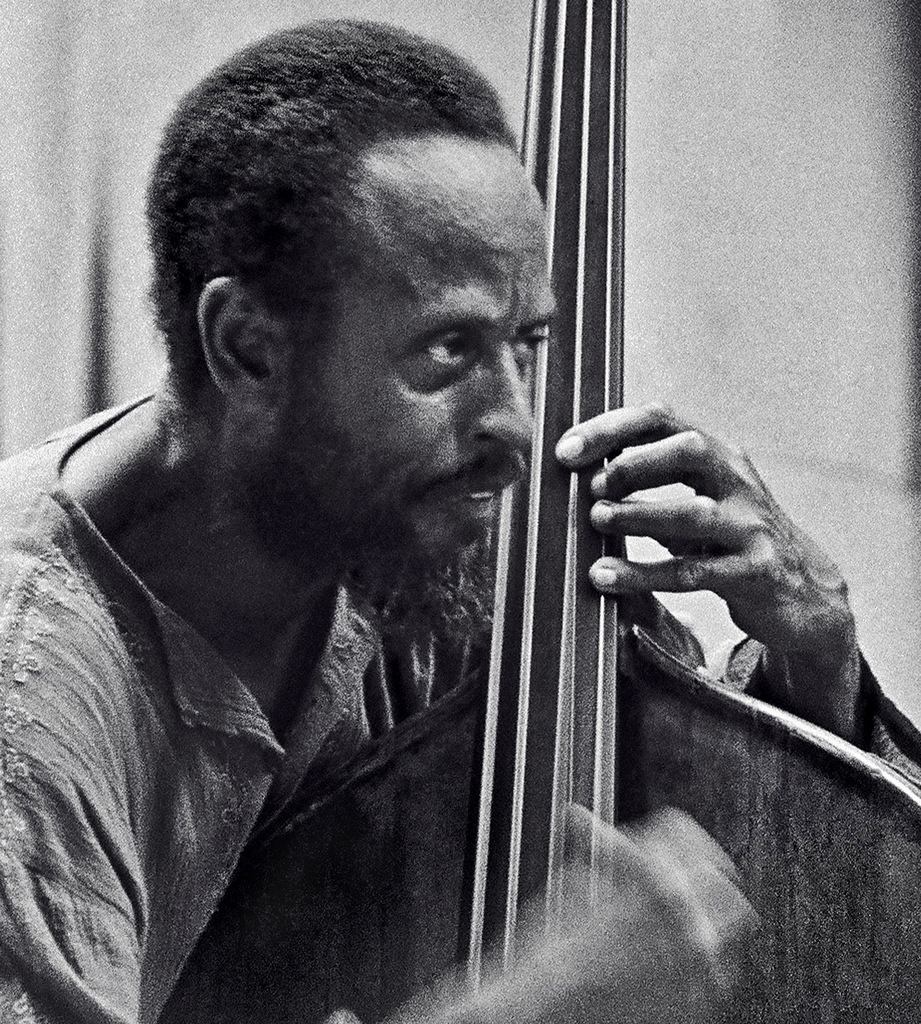
Percy Heath, born one hundred and one years ago today on April 30, 1923, in Wilmington, North Carolina, was a pioneering jazz bassist whose career spanned over six decades. He was best known for his work with the Modern Jazz Quartet (MJQ), one of the most influential groups in the history of jazz. Heath’s remarkable talent, impeccable technique, and deep musicality made him a standout figure in the jazz world, earning him a place among the all-time greats of the genre.
Early Life and Musical Beginnings:
Heath was born into a musical family, where both of his parents were talented musicians. His father played the clarinet, while his mother sang in the church choir. Growing up in this environment, Heath was exposed to a diverse range of music, including jazz, classical, and gospel. He began his musical journey by learning the violin at the age of eight.
Help yourself to some live jazz, and help the artists and clubs fulfill their dreams. Sign up to Oh! Jazz to watch live and on-demand performances. 25% of your subscription goes back to the artists and 10% to the clubs.
Learn more about Oh! Jazz here.
In 1944, Heath was drafted into the Army and trained with the Tuskegee Airmen, graduating as a 2nd Lieutenant pilot. Although he did not see combat, his time in the military had a profound impact on him. After the war, Heath decided to pursue a music career. He bought a stand-up bass and enrolled in the Granoff School of Music in Philadelphia to further his musical education.
It wasn’t long before Heath began making a name for himself in Philadelphia’s jazz scene. He started playing in the city’s jazz clubs, where he had the opportunity to perform with some of the leading artists of the time. Heath’s experiences in the Army and his dedication to his craft helped shape him into the exceptional musician he would become.
Rise to Prominence with the Modern Jazz Quartet:
Heath’s big break came in 1952 when he joined the Modern Jazz Quartet, a group that would become synonymous with his name. The MJQ, consisting of Heath on bass, John Lewis on piano, Milt Jackson on vibraphone, and Kenny Clarke (later replaced by Connie Kay) on drums, was known for its sophisticated blend of jazz, classical, and blues elements.
With the MJQ, Heath recorded numerous albums and performed all over the world, earning critical acclaim and a dedicated fan base. His impeccable technique and melodic approach to bass playing were key components of the MJQ’s sound, helping to define the group’s unique style.
Innovative and Influential Contributions to Jazz:
Heath’s contributions to jazz went beyond his work with the MJQ. He was a versatile musician who could adapt to a wide range of musical styles and settings. He recorded and performed with numerous jazz luminaries, including Miles Davis, Thelonious Monk, and Dexter Gordon, among others.
One of Heath’s most significant contributions to jazz was his innovative approach to bass playing. He was known for his melodic and lyrical style, which helped to elevate the bass from its traditional role as a rhythm instrument to a more prominent melodic role.
In 2003, at the age of 80, Heath released his debut album as a bandleader on the Daddy Jazz label. Titled “A Love Song,” this album was met with widespread acclaim, marking a poignant milestone in his remarkable career. The album showcased Heath’s musical prowess and featured a stellar lineup, including his brother Albert Heath on drums, bassist Peter Washington, and pianist Jeb Patton. Notably, Heath also displayed his versatility by playing the cello on several tracks, adding a unique depth to the album.
Legacy and Influence:
Percy Heath’s legacy in jazz is immense. His contributions to the MJQ and his innovative approach to bass playing have had a lasting impact on the genre. He inspired countless musicians with his melodic sensibility, technical prowess, and deep musicality.
Heath’s influence can still be heard today in the work of contemporary jazz bassists. His recordings with the MJQ and other artists continue to be celebrated for their timeless quality and innovative spirit. Percy Heath may have passed away in 2005, but his music lives on, a testament to his enduring legacy in jazz.
References:
- Larkin, C. & Crowther, B. (1992). The Guinness Who’s Who of Jazz. Guinness World Records Ltd.
- Percy Heath picture. Retrieved from https://en.wikipedia.org/wiki/File:Percy_Heath.jpg


Leave a Reply