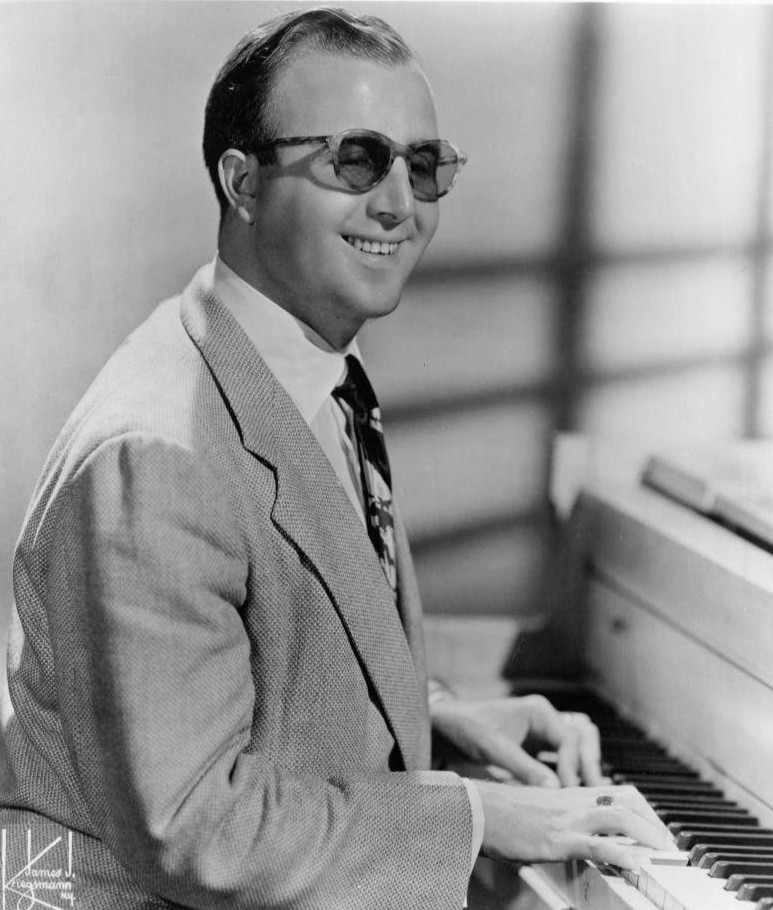
Introduction:
George Shearing, a name synonymous with jazz piano, stands as one of the most influential musicians of the 20th century. His contributions to jazz, both as a performer and as a composer, have left an indelible mark on the genre. From his unique “Shearing sound” to his numerous recordings and collaborations, Shearing’s career spanned over seven decades, earning him a place in the pantheon of jazz greats. This blog post delves into the life, music, and enduring legacy of George Shearing, exploring his journey from a blind child prodigy in London to an internationally renowned jazz icon.
Early Life and Musical Beginnings:
George Shearing was born one hundred and five years ago today on August 13, 1919, in the Battersea area of London, England. Born blind, Shearing’s early life was marked by both challenges and a profound gift for music. His parents, recognizing his talent, encouraged him to pursue his musical interests. Shearing began learning the piano at the age of three, and his natural ability quickly became apparent. Despite his blindness, he demonstrated an extraordinary aptitude for music, leading to formal studies at the Linden Lodge School for the Blind.
Help yourself to some live jazz, and help the artists and clubs fulfill their dreams. Sign up to Oh! Jazz to watch live and on-demand performances. 25% of your subscription goes back to the artists and 10% to the clubs.
Learn more about Oh! Jazz here.
Shearing’s early influences were diverse, ranging from classical composers like Bach and Beethoven to jazz greats such as Fats Waller and Teddy Wilson. These influences shaped his unique approach to the piano, blending the technical precision of classical music with the improvisational freedom of jazz.
The Move to America and the Rise to Fame:
In 1947, Shearing made a pivotal decision that would change the course of his career—he moved to the United States. The post-war American jazz scene was vibrant and full of opportunities for talented musicians. Shearing quickly found his place in this thriving environment, performing with prominent jazz figures and gaining recognition for his distinctive style.
One of Shearing’s most significant contributions to jazz was the development of the “Shearing sound.” This innovative style involved the use of block chords, where the melody is played in parallel with chords in both hands, often accompanied by a vibraphone or guitar. This sound became his signature and was a defining feature of his quintet, which he formed in 1949. The George Shearing Quintet’s unique sound captivated audiences and set them apart in the crowded jazz landscape.
Major Works and Collaborations:
The 1950s and 1960s were incredibly productive decades for George Shearing. During this time, he recorded numerous albums that showcased his versatility and creativity. Among his most notable recordings are “September in the Rain” and “Lullaby of Birdland.” These tracks not only highlighted Shearing’s virtuosity but also demonstrated his ability to craft fresh, innovative arrangements, setting new standards in jazz music.
“Lullaby of Birdland,” in particular, became an enduring classic and one of Shearing’s most famous compositions. Written in 1952, the song pays homage to the famous Birdland jazz club in New York City. Its catchy melody and sophisticated harmonies have made it a staple in the jazz repertoire, covered by countless artists over the years.
Shearing’s collaborations with other jazz luminaries further cemented his legacy. He worked with a diverse array of musicians, including singers Nat King Cole, Peggy Lee, and Mel Tormé. His work with Tormé, especially, was highly acclaimed, resulting in two Grammy Award-winning recordings. Their seamless blend of Shearing’s piano and Tormé’s silky vocals created a timeless and captivating sound.
The Later Years and Honors:
As the decades passed, Shearing continued to perform and record, maintaining a busy schedule well into his later years. His ability to adapt to changing musical trends while staying true to his unique style ensured his continued relevance in the jazz world.
Shearing’s contributions to music were recognized with numerous awards and honors. In 2007, he was knighted by Queen Elizabeth II, receiving the title of Sir George Shearing for his services to music. This honor was a fitting tribute to a man whose career had spanned over 70 years and touched the lives of countless listeners around the world.
Legacy and Influence:
George Shearing’s impact on jazz is profound and far-reaching. His innovative approach to the piano and his creation of the “Shearing sound” have influenced generations of musicians. His ability to blend different musical styles and create something uniquely his own set a new standard in jazz performance and composition.
Shearing’s music continues to be celebrated and studied by jazz enthusiasts and musicians alike. His recordings remain popular, and his compositions, particularly “Lullaby of Birdland,” are considered essential repertoire for jazz performers. The George Shearing Quintet’s recordings, in particular, serve as a benchmark for small-group jazz ensembles, showcasing the importance of synergy and innovation in creating memorable music.
The life and legacy of George Shearing are a testament to the power of talent, perseverance, and innovation. From his humble beginnings in London to his rise as a jazz icon, Shearing’s journey is an inspiring story of overcoming adversity and pushing the boundaries of musical creativity. His contributions to jazz have left an indelible mark on the genre, and his music continues to resonate with audiences worldwide. As we celebrate the legacy of George Shearing, we recognize his enduring influence on the world of jazz and beyond.
References:
- Yanow, S. (2003). Jazz on Record – The First Sixty Years. Backbeat Books.
- Feather, L. & Gitler, I. (2007). The Biographical Encyclopedia of Jazz. Oxford University Press.
- Hentoff, N. (1978). The Jazz Life. Da Capo Press.
- Gioia, T. (2021). The History of Jazz. Oxford University Press.
- Lees, G. (2001). Cats Of Any Color: Jazz, Black And White. Da Capo Press.
- George Shearing picture. Retrieved from https://en.wikipedia.org/wiki/File:George_Shearing_1959.JPG

Leave a Reply