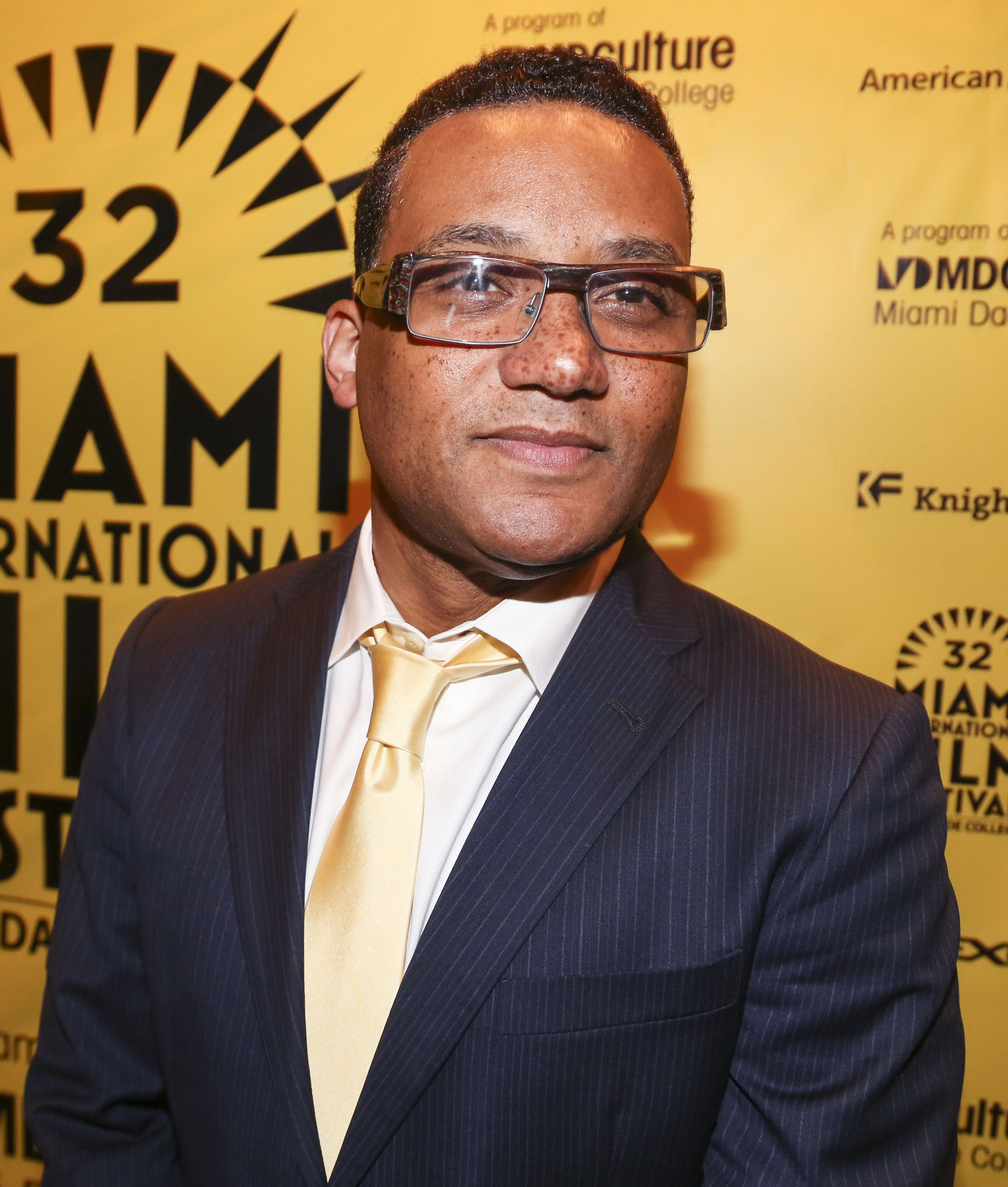
Introduction:
Gonzalo Rubalcaba, born Gonzalo Julio González Fonseca sixty-one years ago today on May 27, 1963, in Havana, Cuba, stands as one of the most influential and versatile figures in the realm of Afro-Cuban jazz. With a career spanning over four decades, Rubalcaba has seamlessly blended the rich traditions of Cuban music with the innovative strides of American jazz. His remarkable journey from a musical family in Cuba to international acclaim showcases his exceptional talent and dedication to pushing the boundaries of jazz. This blog post delves into the life, career, and legacy of Gonzalo Rubalcaba, exploring his early influences, major achievements, and lasting impact on the jazz world.
Early Life and Musical Beginnings:
Gonzalo Rubalcaba was born into a deeply musical family. His father, Guillermo Rubalcaba (born Guillermo González Camejo), and grandfather, Jacobo Rubalcaba (born Jacobo González Rubalcaba), were both esteemed musicians who had adopted the Rubalcaba name for professional use. Growing up in such an environment, Gonzalo was immersed in music from a young age. He began studying classical piano at the age of eight, rigorously honing his technique over the next twelve years while also performing in Havana’s vibrant music scene.
Help yourself to some live jazz, and help the artists and clubs fulfill their dreams. Sign up to Oh! Jazz to watch live and on-demand performances. 25% of your subscription goes back to the artists and 10% to the clubs.
Learn more about Oh! Jazz here.
The Formative Years: Touring and Early Career
In 1983, Rubalcaba embarked on a significant tour with Cuba’s legendary Orquesta Aragón, traveling to France and Africa. This experience exposed him to diverse musical traditions and further fueled his passion for jazz. Two years later, in 1985, he formed his own band, Grupo Proyecto, marking the beginning of his professional career as a bandleader. It was during this period that Dizzy Gillespie discovered Rubalcaba, recognizing his extraordinary talent and potential.
Breakthrough and International Recognition:
Rubalcaba’s breakthrough came in 1986 when he performed at the Havana Jazz Festival with the American rhythm section of Charlie Haden and Paul Motian. This performance catapulted him onto the international stage, leading to appearances at prestigious jazz festivals such as Montreal and Montreux. His early recordings for Blue Note, including “Discovery: Live at Montreux” (1990) and “The Blessing” (1991), were instant classics that showcased his virtuosic technique and intricate improvisations, earning him widespread acclaim.
Major Works and Collaborations:
Throughout his career, Rubalcaba has collaborated with numerous jazz luminaries, further cementing his reputation as a versatile and innovative pianist. Some of his notable collaborations include:
- Charlie Haden: Their work together resulted in several acclaimed albums, including “Nocturne” (2001) and “Land of the Sun” (2004), both of which won Grammy Awards.
- Ron Carter and Jack DeJohnette: The trio’s album “Skyline” (2021) was a testament to Rubalcaba’s ability to blend seamlessly with jazz greats, earning critical praise and a Grammy Award for Best Jazz Instrumental Album.
Discography Highlights:
Rubalcaba’s extensive discography reflects his evolution as an artist and his relentless pursuit of musical excellence. Some of the key albums in his career include:
- “Mi Gran Pasion” (1987): His debut album, which established him as a formidable talent in the jazz world.
- “Supernova” (2001): This Grammy-winning album showcased his innovative approach to jazz, blending complex rhythms and harmonies.
- “Paseo” (2004): An album that offered fresh interpretations of traditional Cuban songs, highlighting his ability to bridge cultural and musical divides.
- “Solo” (2005): A masterful solo piano album that captured the depth and nuance of his playing.
Awards and Accolades:
Rubalcaba’s contributions to jazz have been recognized with numerous awards and nominations. His Grammy wins include Best Latin Jazz Album for “Nocturne” (2001) and “Land of the Sun” (2004), as well as Best Jazz Instrumental Album for “Skyline” (2021). In addition, he has received several Latin Grammy Awards, further underscoring his influence and excellence in the genre.
Influence and Legacy:
Gonzalo Rubalcaba’s influence transcends his recordings and performances, marking him as a pivotal figure in contemporary jazz. His masterful fusion of Cuban musical traditions with the innovations of American jazz has pioneered new artistic pathways and set a high bar for future musicians. Rubalcaba’s music captivates global audiences, crossing cultural and geographical boundaries with its universal appeal. His relentless dedication to pushing the boundaries of jazz and exploring new musical territories has left a profound and lasting impact on the genre. As he continues to perform and record, Rubalcaba’s legacy as a trailblazing jazz pianist and composer only strengthens, inspiring generations to come.
Gonzalo Rubalcaba’s journey from a young classical pianist in Havana to an internationally acclaimed jazz virtuoso is a testament to his extraordinary talent and unwavering dedication to music. His ability to seamlessly blend Cuban and American jazz traditions has not only earned him critical acclaim but also inspired countless musicians and listeners worldwide. As we celebrate his remarkable career, we look forward to the continued evolution of his artistry and the enduring impact of his music.
References:
- Cook, R. & Morton, B. (2008). The Penguin Guide to Jazz Recordings. Penguin Books.
- Sutro, D. (2006). Jazz For Dummies. For Dummies.
- Gonzalo Rubalcaba picture. Retrieved from https://en.wikipedia.org/wiki/File:Gonzalo_Rubalcaba_at_MIFF_(cropped).jpg
.jpg)
Leave a Reply