Introduction:
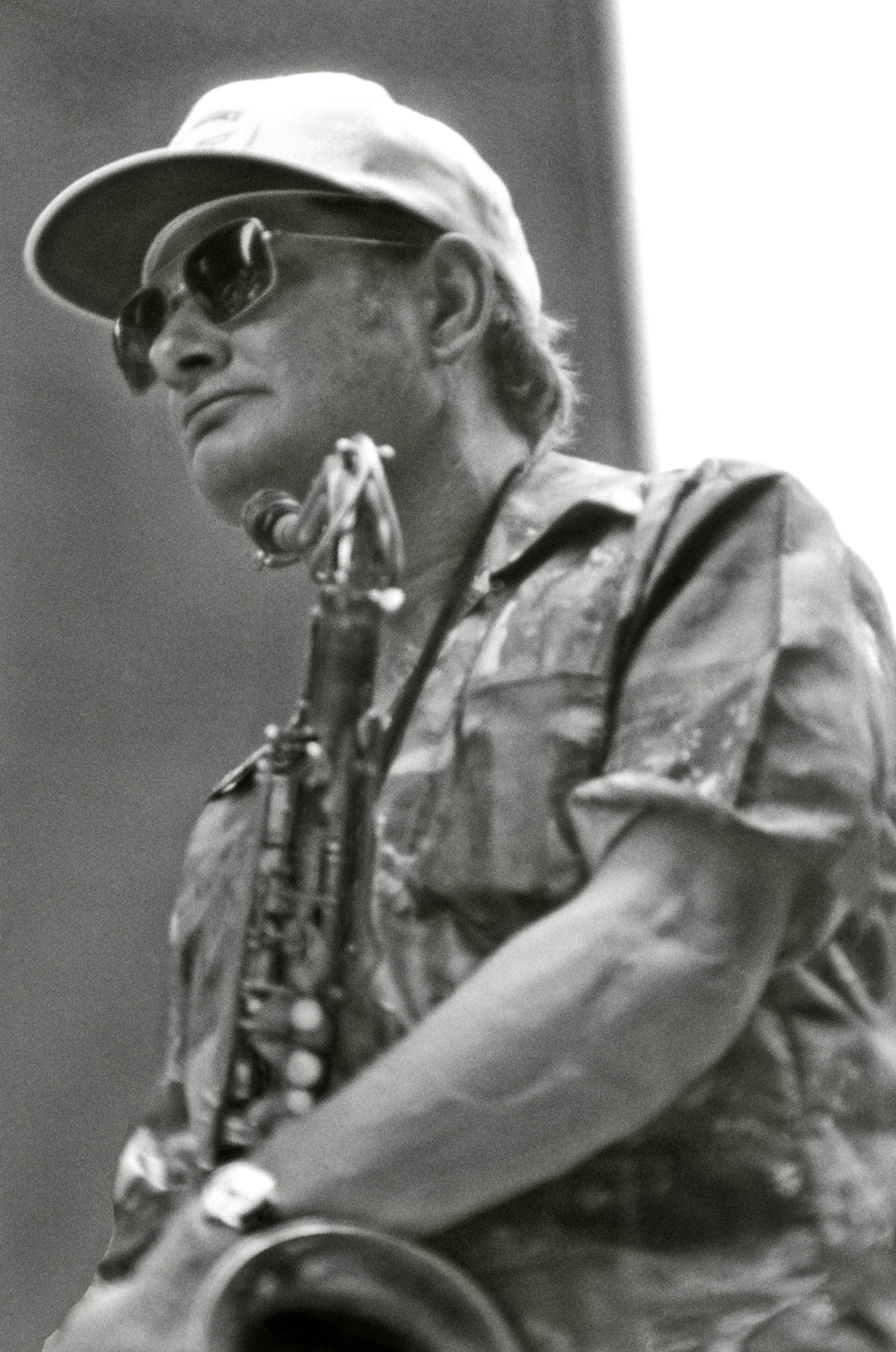
Few jazz saxophonists embody the spirit of swing as effortlessly as Zoot Sims. Known for his light, melodic tone and natural sense of rhythm, Sims became one of the most beloved tenor saxophonists in jazz history. His career spanned nearly five decades, during which he played with countless jazz legends and became a key figure in the evolution of the tenor saxophone. From his early days with Woody Herman’s “Four Brothers” to his collaborations with musicians like Al Cohn and Gerry Mulligan, Sims left a lasting impact on jazz. This blog post explores the life, career, and legacy of Zoot Sims—a musician whose love for jazz was as genuine and infectious as the music he played.
Early Life and Introduction to Jazz:
John Haley “Zoot” Sims was born ninety-nine years ago today on October 29, 1925, in Inglewood, California. Growing up in a family immersed in music and performance, Sims was introduced to jazz from a young age. His parents, both vaudeville performers, fostered an environment rich with artistic expression, which naturally encouraged Sims’ own creative pursuits. He initially learned drums and clarinet before picking up the tenor saxophone at 13, a choice that would define his life and legacy in jazz.
Help yourself to some live jazz, and help the artists and clubs fulfill their dreams. Sign up to Oh! Jazz to watch live and on-demand performances. 25% of your subscription goes back to the artists and 10% to the clubs.
Learn more about Oh! Jazz here.
Sims was a natural musician. He became an accomplished player during his teenage years, heavily influenced by the swing music of the 1930s and early 1940s. Count Basie and Lester Young were major inspirations, particularly Young, whose smooth, lyrical style would influence Sims throughout his career. Sims began performing professionally as a teenager, playing with bands around California before moving on to bigger stages.
Breaking Through with Woody Herman’s “Four Brothers”:
In 1947, Zoot Sims joined Woody Herman’s Second Herd, one of the most popular and influential big bands of the time. It was here that he became one of the “Four Brothers,” a saxophone section that included Stan Getz, Herbie Steward, and Serge Chaloff. Together, they created a unique sound that brought a new level of sophistication to big-band jazz. Sims’ crisp, swinging tone was a perfect fit for the group, and his solos became highlights of their performances.
The “Four Brothers” section, famously featured in the eponymous 1947 tune “Four Brothers,” brought a light, breezy sound to the band, with each saxophonist blending complex lines in unison. This collaborative style was unusual for the time, marking a shift from the solo-centric approach that characterized earlier big bands. Sims thrived in this innovative setting, and his time with Woody Herman helped him establish himself as a top tenor saxophonist. The “Four Brothers” sound would become iconic, influencing saxophonists and arrangers for decades to come.
A Career in the Cool and Bebop Eras:
Sims’ style, though rooted in the swing tradition, was versatile enough to adapt to bebop and later jazz innovations. After leaving Woody Herman’s band, he worked with several notable big bands and small groups throughout the 1950s, including Benny Goodman and Stan Kenton. Although Sims admired the virtuosic complexity of bebop players like Charlie Parker, he never fully embraced the bebop style himself. Instead, he retained a relaxed, lyrical approach that set him apart from his contemporaries.
Sims’ melodic sensibilities and light touch placed him within the “cool jazz” movement that emerged in the 1950s, though he resisted being boxed into any one style. His ability to cross between styles made him a sought-after collaborator, and he became known as one of the most reliable and versatile tenor saxophonists of his generation.
In the 1950s and early 1960s, Sims recorded with Gerry Mulligan, a prominent baritone saxophonist and key figure in the cool jazz movement. Their 1955 album, “Presenting the Gerry Mulligan Sextet,” became a classic, highlighting the blend of cool and swing styles that defined this era. Sims’ contributions to the album, including his smooth, relaxed tone, underscored his ability to adapt and complement other players’ styles seamlessly.
The Legendary Zoot Sims-Al Cohn Partnership:
One of the most celebrated partnerships in jazz was the collaboration between Zoot Sims and fellow tenor saxophonist Al Cohn. Starting in the mid-1950s, Sims and Cohn began performing together, creating a musical bond that would last for two decades. Known for their tight interplay and improvisational chemistry, Sims and Cohn were often referred to as one of jazz’s great tenor sax duos. Together, they recorded several albums that became classics, including “From A to Z” (1957) and “Al and Zoot” (1957).
The duo’s approach was distinctive for its sense of fun and spontaneity. Sims’ and Cohn’s contrasting styles—Sims’ smooth, lyrical tone balanced by Cohn’s more robust and assertive sound—complemented each other beautifully. Their live performances were filled with humor and energy, making them popular both with jazz aficionados and casual listeners. Whether trading licks, harmonizing, or engaging in friendly musical banter, Sims and Cohn had an unmistakable chemistry that brought their music to life.
Their collaborations captured the essence of jazz as a conversational art form. Rather than competing, Sims’ and Cohn’s exchanges were collaborative, an ongoing dialogue that allowed each to shine while elevating the music as a whole. This camaraderie extended beyond the stage, as Sims and Cohn were close friends offstage as well. Their partnership became a model for other saxophone duos, showing how two players could support and inspire each other in equal measure.
Later Career and Continued Success:
As jazz evolved in the 1960s and 1970s, Sims continued to adapt without losing his core identity. He remained a favorite of jazz audiences, even as rock and pop began to dominate the music scene. Unlike some of his contemporaries who embraced avant-garde or fusion styles, Sims stayed true to his swing and bebop roots. This dedication to traditional jazz was evident in his playing, which retained its effortless swing and melodic sensibility even in his later years.
Throughout the 1970s and 1980s, Sims continued to perform and record prolifically. His later recordings, such as “Zoot Sims and the Gershwin Brothers” (1975) and “If I’m Lucky” (1977), showcased his mature sound and refined approach to standards and ballads.
In 1975, Sims was one of the first jazz musicians to record an entire album dedicated to the music of George Gershwin. “Zoot Sims and the Gershwin Brothers” is a tribute to one of America’s greatest songwriters and features some of Sims’ most heartfelt playing. His interpretations of Gershwin’s compositions, such as “The Man I Love” and “I Got Rhythm,” demonstrate his ability to find new depths in familiar tunes, making them his own with subtle phrasing and lyrical interpretation.
Legacy and Influence:
Zoot Sims passed away on March 23, 1985, but his legacy endures in the jazz world. Known for his consistency, sincerity, and infectious joy in playing, Sims left behind a body of work that continues to inspire musicians and fans alike. His relaxed, swinging style remains a model for saxophonists who seek to capture the essence of jazz’s lyrical and rhythmic traditions.
Sims’ influence can be heard in the playing of saxophonists who followed him, from Stan Getz and Sonny Rollins to contemporary players who are drawn to the simplicity and purity of his style. Known for his humility and dedication to the music, Sims was a musician’s musician, deeply respected by his peers for his skill and commitment to jazz.
His partnership with Al Cohn remains one of the most celebrated saxophone pairings in jazz, and their recordings are frequently cited as essential listening for saxophonists and jazz enthusiasts. Sims’ music endures not only because of his skill but also because of his approach to jazz as a joyous, communal experience. He viewed jazz as a language of connection, a way to communicate with both audiences and fellow musicians on a deep, emotional level.
Zoot Sims’ contribution to jazz is one of authenticity, joy, and a deep love for the art form. His music exemplifies the best of swing, cool, and bebop, showcasing a style that is melodic, rhythmic, and always engaging. Through his collaborations with Woody Herman, Al Cohn, Gerry Mulligan, and countless others, Sims helped shape jazz into what it is today. His legacy lives on in the recordings he left behind, which continue to captivate and inspire.
For those discovering jazz for the first time, or for seasoned listeners, Zoot Sims represents the pure, swinging soul of jazz. His music reminds us that jazz, at its core, is about communication and expression—a universal language that speaks directly to the heart.
References:
- Giddins, G. (2000). Visions of Jazz: The First Century. Oxford University Press.
- Feather, L. & Gitler, I. (2007). The Biographical Encyclopedia of Jazz. Oxford University Press.
- Yanow, S. (2003). Jazz on Record – The First Sixty Years. Backbeat Books.
- Goldberg, J. (1983). Jazz Masters Of The 50s. Da Capo Press.
- Zoot Sims picture. Retrieved from https://en.wikipedia.org/wiki/File:Zoot_Sims_1976.jpg

Leave a Reply