Introduction:
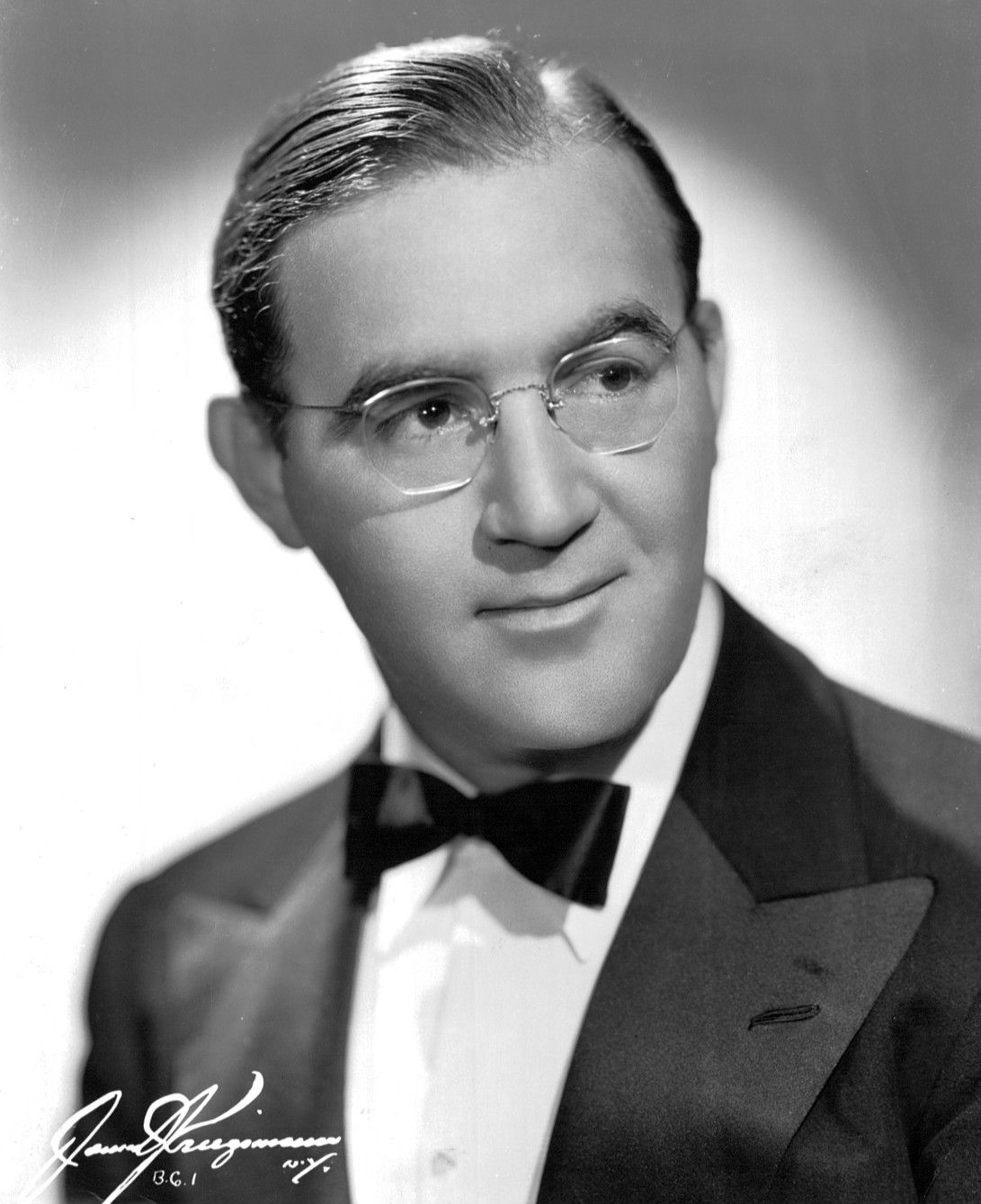
Benny Goodman, often referred to as the “King of Swing,” was a pioneering figure in the history of jazz. His contributions to the genre extend beyond his virtuosity on the clarinet to his innovative band leadership and his role in breaking racial barriers in the music industry. This blog post delves into the life and legacy of Benny Goodman, exploring his early years, rise to fame, groundbreaking performances, and enduring influence on jazz and popular music.
Early Years and Musical Beginnings:
Born one hundred and fifteen years ago today on May 30, 1909, in Chicago, Illinois, Benjamin David Goodman was the ninth of twelve children in a poor Jewish immigrant family from Eastern Europe. His father, David Goodman, worked as a tailor, while his mother, Dora, managed the household. Despite their financial struggles, the Goodman family valued education and music.
Help yourself to some live jazz, and help the artists and clubs fulfill their dreams. Sign up to Oh! Jazz to watch live and on-demand performances. 25% of your subscription goes back to the artists and 10% to the clubs.
Learn more about Oh! Jazz here.
At the age of 10, Benny began playing the clarinet, receiving lessons at Chicago’s Kehelah Jacob Synagogue. His talent quickly became apparent, and he soon started taking lessons from Franz Schoepp, a classically trained clarinetist with the Chicago Symphony Orchestra. Schoepp’s rigorous training laid a solid foundation for Benny’s technical prowess and versatility on the instrument.
His early influences included prominent New Orleans jazz clarinetists who had made their mark in Chicago, such as Jimmie Noone, Johnny Dodds, and Leon Roppolo. Goodman learned quickly, developing into a strong player at a young age, and soon found himself performing in various bands. He made his professional debut in 1921 at the Central Park Theater on the West Side of Chicago. In 1922, he entered Harrison Technical High School in Chicago. By the age of fourteen, Goodman had become a member of the musicians’ union and was working in a band that featured the legendary Bix Beiderbecke. Two years later, in 1926, he joined the Ben Pollack Orchestra and made his first recordings.
Rise to Fame:
Goodman moved to New York City, where he established himself as a sought-after session musician for radio, Broadway musicals, and studio recordings. During a Victor recording session on March 21, 1928, he played alongside Glenn Miller, Tommy Dorsey, and Joe Venuti in the All-Star Orchestra, directed by Nathaniel Shilkret. Goodman also performed with the bands of Red Nichols, Ben Selvin, Ted Lewis, and Isham Jones. He recorded for Brunswick under the name Benny Goodman’s Boys, a band that featured Glenn Miller. In 1928, Goodman and Miller co-wrote “Room 1411,” Miller’s first known composition, which was released as a Brunswick 78.
By the mid-1930s, Goodman had formed his own orchestra, which quickly became one of the most popular and influential big bands of the swing era. His band’s performance at the Palomar Ballroom in Los Angeles on August 21, 1935, is often credited with marking the official start of the swing era. The enthusiastic response from the audience validated Goodman’s belief in the appeal of swing music and propelled him to stardom.
The Birth of Swing:
Goodman’s innovative approach to music set him apart from his contemporaries. He combined the structured arrangements of big band music with the improvisational freedom of small-group jazz, creating a sound that was both sophisticated and exhilarating. His orchestra’s arrangements, often crafted by talented arrangers such as Fletcher Henderson and Benny Carter, featured tight ensemble playing, intricate melodies, and swinging rhythms.
One of the key factors in Goodman’s success was his keen ear for talent. He surrounded himself with exceptional musicians, including Gene Krupa on drums, Harry James on trumpet, and Lionel Hampton on vibraphone. These musicians not only brought their virtuosity to the band but also contributed to its dynamic and innovative sound.
Groundbreaking Performances and Racial Integration:
Benny Goodman was also a trailblazer in breaking racial barriers in the music industry. In an era when segregation was still prevalent, Goodman made the bold decision to integrate his band. He hired African American musicians such as Teddy Wilson, Lionel Hampton, and Charlie Christian, who played in his small groups and occasionally joined the orchestra for performances.
Goodman’s commitment to racial integration extended beyond his band. In 1938, he made history by performing at Carnegie Hall, one of the most prestigious concert venues in the United States. This concert, held on January 16, was the first time a jazz band headlined at Carnegie Hall. The performance was a resounding success, and the recording of the concert remains one of the most celebrated live jazz albums of all time.
The Carnegie Hall concert not only showcased the virtuosity of Goodman’s band but also highlighted the contributions of his African American musicians. Teddy Wilson’s piano playing and Lionel Hampton’s vibraphone solos were both integral to the concert’s success. This performance helped to further legitimize jazz as a serious art form and broke down racial barriers in the music industry.
The King of Swing:
Throughout the late 1930s and 1940s, Benny Goodman continued to dominate the jazz scene. His band produced numerous hits, including “Sing, Sing, Sing,” “Let’s Dance,” and “Stompin’ at the Savoy.” These recordings showcased Goodman’s exceptional clarinet playing and the tight, swinging sound of his orchestra.
Goodman’s influence extended beyond his recordings and performances. He played a pivotal role in popularizing jazz and bringing it into the mainstream. His radio broadcasts, film appearances, and extensive touring helped to spread the sound of swing music to a wide audience. Goodman’s popularity also paved the way for other big bands and swing musicians to achieve success.
Later Years and Legacy:
As the big band era began to decline in the late 1940s, Benny Goodman adapted to the changing musical landscape. He continued to perform and record, exploring different styles and collaborating with a diverse array of musicians. Goodman also returned to his classical roots, performing and recording works by composers such as Igor Stravinsky and Aaron Copland.
In the 1950s and 1960s, Goodman remained active in the jazz scene, participating in numerous tours and recording sessions. He continued to innovate, experimenting with bebop and other modern jazz styles. Goodman’s enduring passion for music and his commitment to excellence ensured that he remained a relevant and influential figure in the jazz world.
Benny Goodman passed away on June 13, 1986, at the age of 77. His legacy, however, lives on. He is remembered not only for his extraordinary musicianship but also for his contributions to the development and popularization of jazz. Goodman’s innovative approach to music, his commitment to racial integration, and his dedication to his craft have left an indelible mark on the history of jazz.
Benny Goodman’s life and career are a testament to the transformative power of music. From his humble beginnings in Chicago to his status as the “King of Swing,” Goodman’s journey was marked by innovation, excellence, and a deep love for his art. His contributions to jazz have had a lasting impact, influencing generations of musicians and shaping the course of popular music.
Goodman’s legacy is celebrated not only through his recordings but also through the countless musicians who have been inspired by his work. As a clarinetist, bandleader, and cultural pioneer, Benny Goodman remains an iconic figure in the history of jazz, a true testament to the enduring power and universal appeal of swing music.
Benny Goodman’s story is one of resilience, talent, and an unwavering commitment to breaking new ground. His contributions continue to resonate, ensuring that the swing he helped popularize remains a vibrant and integral part of jazz history.
References:
- Collier, J.L. (1991). Benny Goodman and the Swing Era. Oxford University Press.
- Firestone, R. (1994). Swing, Swing, Swing: The Life & Times of Benny Goodman. W.W. Norton & Company.
- Levin, F. & Carter, B. (2002). Classic Jazz: A Personal View of the Music and the Musicians. University of California Press.
- Schuller, G. (1991). The Swing Era: The Development of Jazz, 1930-1945. Oxford University Press.
- Benny Goodman picture. Retrieved from https://en.wikipedia.org/wiki/File:Benny_Goodman_1942.jpg

Leave a Reply