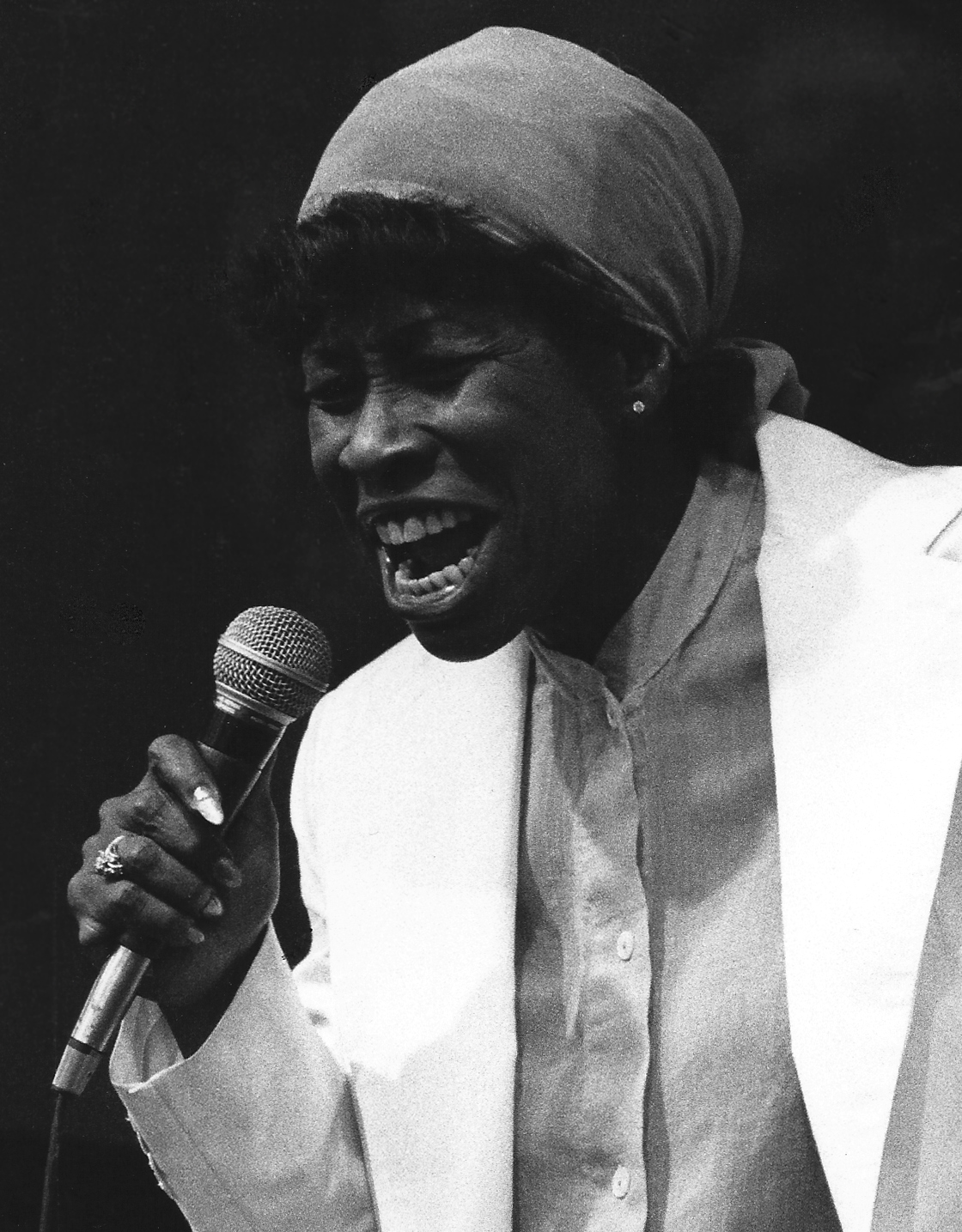
Introduction:
Betty Carter, born Lillie Mae Jones, was a trailblazing jazz vocalist whose distinctive style and fearless approach to music left a lasting impact on the genre. Known for her adventurous improvisations, complex rhythmic sense, and emotional depth, Carter pushed the boundaries of jazz vocals, earning her a reputation as one of the greatest jazz singers of all time.
Early Life and Career Beginnings:
Betty Carter was born ninety-five years ago today on May 16, 1929, in Flint, Michigan. She grew up in Detroit. At 15, she studied piano at the Detroit Conservatory of Music, though her skills remained modest. However, at 16, Carter discovered her true passion: singing. Despite her parents’ reservations about her pursuing a music career, she persevered, sneaking out at night to audition for amateur shows. Winning first place in her debut competition fueled her determination to pursue a music career wholeheartedly. In 1948, Betty Carter received a life-changing invitation to join Lionel Hampton’s band, marking a significant turning point in her career. This opportunity allowed her to collaborate with esteemed musicians like Charles Mingus and Wes Montgomery, further honing her craft and expanding her musical horizons. Even at this early stage, Carter’s vocal style stood out for its distinctiveness, marked by her daring phrasing, inventive rhythmic approach, and deeply soulful delivery.
Help yourself to some live jazz, and help the artists and clubs fulfill their dreams. Sign up to Oh! Jazz to watch live and on-demand performances. 25% of your subscription goes back to the artists and 10% to the clubs.
Learn more about Oh! Jazz here.
Rise to Prominence:
Carter’s big break came in 1958 when she recorded the album “Out There” for the Peacock label. The album showcased her unique approach to jazz singing, featuring adventurous interpretations of standards and original compositions. It received critical acclaim and established Carter as a rising star in the jazz world.
Throughout the 1960s and 1970s, Carter continued to refine her sound and develop her musical vision. She formed her own record label, Bet-Car Records, and released a series of acclaimed albums that showcased her evolving style. Carter’s music during this period was characterized by its adventurousness and complexity, with her band often engaging in intricate, free-flowing improvisations.
Innovative Approach to Jazz Vocals:
One of Carter’s most distinctive qualities as a vocalist was her innovative approach to rhythm. She often sang ahead of or behind the beat, creating a sense of tension and excitement in her performances. Carter was also known for her use of scat singing, a vocal improvisation technique in which the singer uses nonsense syllables to create melodic lines and rhythms.
Another hallmark of Carter’s style was her fearless approach to improvisation. She was known for taking risks in her performances, pushing herself and her bandmates to explore new musical territories. Carter’s improvisations were often daring and unpredictable, adding an element of spontaneity to her live performances.
Legacy and Influence:
Betty Carter’s influence on jazz vocals is immeasurable. She inspired countless singers with her fearless approach to music and her uncompromising dedication to her artistic vision. Carter’s influence can be heard in the work of many contemporary jazz vocalists, who continue to be inspired by her innovative spirit and unique sound.
Carter’s impact on the jazz world was recognized with numerous awards and accolades throughout her career, including a Grammy Award for Best Jazz Vocal Album in 1988. She was also honored with a National Medal of Arts in 1997, in recognition of her contributions to American music.
In conclusion, Betty Carter was a true pioneer of jazz vocals, whose fearless approach to music and innovative spirit continue to inspire musicians around the world. Her legacy lives on in her recordings, which serve as a testament to her remarkable talent and enduring influence on the world of jazz.
References:
- Bauer, W.R. (2003). Open the Door: The Life and Music of Betty Carter. University Of Michigan Regional.
- Davis, F. (1992). Outcats: Jazz Composers, Instrumentalists, and Singers. Oxford University Press.
- Gitler, I. (1987). Swing to Bop: An Oral History of the Transition in Jazz in the 1940s. Oxford University Press.
- Crow, B. (2005). Jazz Anecdotes: Second Time Around. Oxford University Press.
- Betty Carter picture. Retrieved from https://en.wikipedia.org/wiki/File:Betty_Carter_in_Pori_July_1978.jpg

Leave a Reply