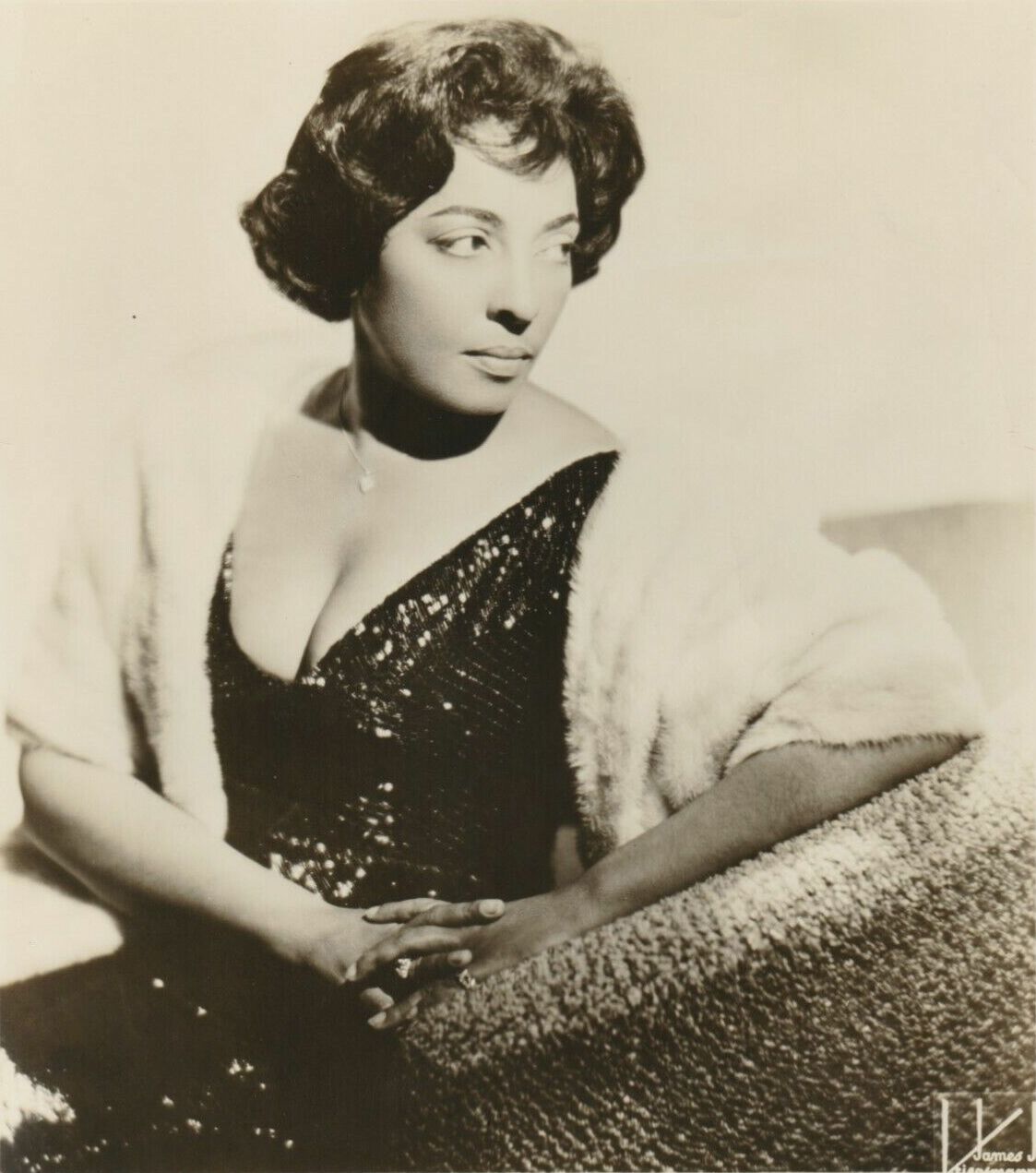
Introduction:
With her velvet voice and unparalleled phrasing, Carmen McRae is regarded as one of the most influential jazz vocalists of the 20th century. Her ability to interpret lyrics with deep emotion and her impeccable musicality set her apart as a true artist. In this blog post, we will explore the life, music, and legacy of Carmen McRae, highlighting her contributions to jazz and her lasting impact on the music world.
Early Life and Musical Beginnings:
Carmen Mercedes McRae was born one hundred and four years ago today on April 8, 1920, in Harlem, New York City. From a young age, she was exposed to jazz music, as her parents were avid fans of the genre. McRae’s musical talent was evident early on, and she began singing in clubs in her teens. She was influenced by jazz greats such as Billie Holiday, whose emotive singing style would later influence McRae’s own approach to singing.
Help yourself to some live jazz, and help the artists and clubs fulfill their dreams. Sign up to Oh! Jazz to watch live and on-demand performances. 25% of your subscription goes back to the artists and 10% to the clubs.
Learn more about Oh! Jazz here.
Rise to Fame:
McRae’s big break came in 1944 when she began playing piano with the Benny Carter Orchestra. Her rich, expressive voice and unique phrasing caught the attention of audiences and critics alike. McRae’s popularity grew throughout the 1950s and 1960s, as she recorded a series of critically acclaimed albums and performed at major jazz festivals worldwide.
Musical Style and Innovation:
One of the hallmarks of Carmen McRae’s singing style was her ability to infuse each lyric with deep emotion and meaning. She had a unique talent for interpreting songs, often adding her own twists to melodies and phrasing. McRae was also known for her impeccable timing and control, which allowed her to deliver each song with a sense of intimacy and honesty.
Collaborations and Legacy:
Due to her close friendship with Billie Holiday, Carmen McRae always included at least one song associated with “Lady Day” in her performances. In a heartfelt tribute, McRae recorded the album “For Lady Day” in 1983, a release that would resonate with audiences when it finally debuted in 1995. This homage featured classic Holiday tracks such as “Good Morning Heartache,” “Them There Eyes,” “Lover Man,” “God Bless the Child,” and “Don’t Explain,” showcasing McRae’s deep admiration and respect for Holiday’s legacy.
McRae’s collaborations with renowned jazz musicians further solidified her status as a jazz icon. Her albums “Take Five Live” (1961) with Dave Brubeck, “Two for the Road” (1980) with George Shearing, and “Heat Wave” (1982) with Cal Tjader are standout examples of her remarkable musical partnerships. These albums were part of a significant eight-year collaboration with Concord Jazz, highlighting McRae’s ability to connect with audiences and fellow musicians alike through her exceptional talent and unwavering passion for jazz.
In conclusion, Carmen McRae was a true master of jazz vocalization, whose unique voice and unparalleled artistry continue to inspire musicians and listeners alike. Her ability to convey emotion through song and her innovative approach to phrasing have cemented her legacy as one of the greatest jazz vocalists of all time. As we celebrate the life and music of Carmen McRae, we are reminded of the power of music to transcend boundaries and touch the soul.
References:
- Larkin, C. (1995). The Guinness Encyclopedia of Popular Music. Guinness Publishing.
- Carmen McRae picture. Retrieved from https://en.wikipedia.org/wiki/File:Carmen_McRae_1960_press_photo.jpg

Leave a Reply