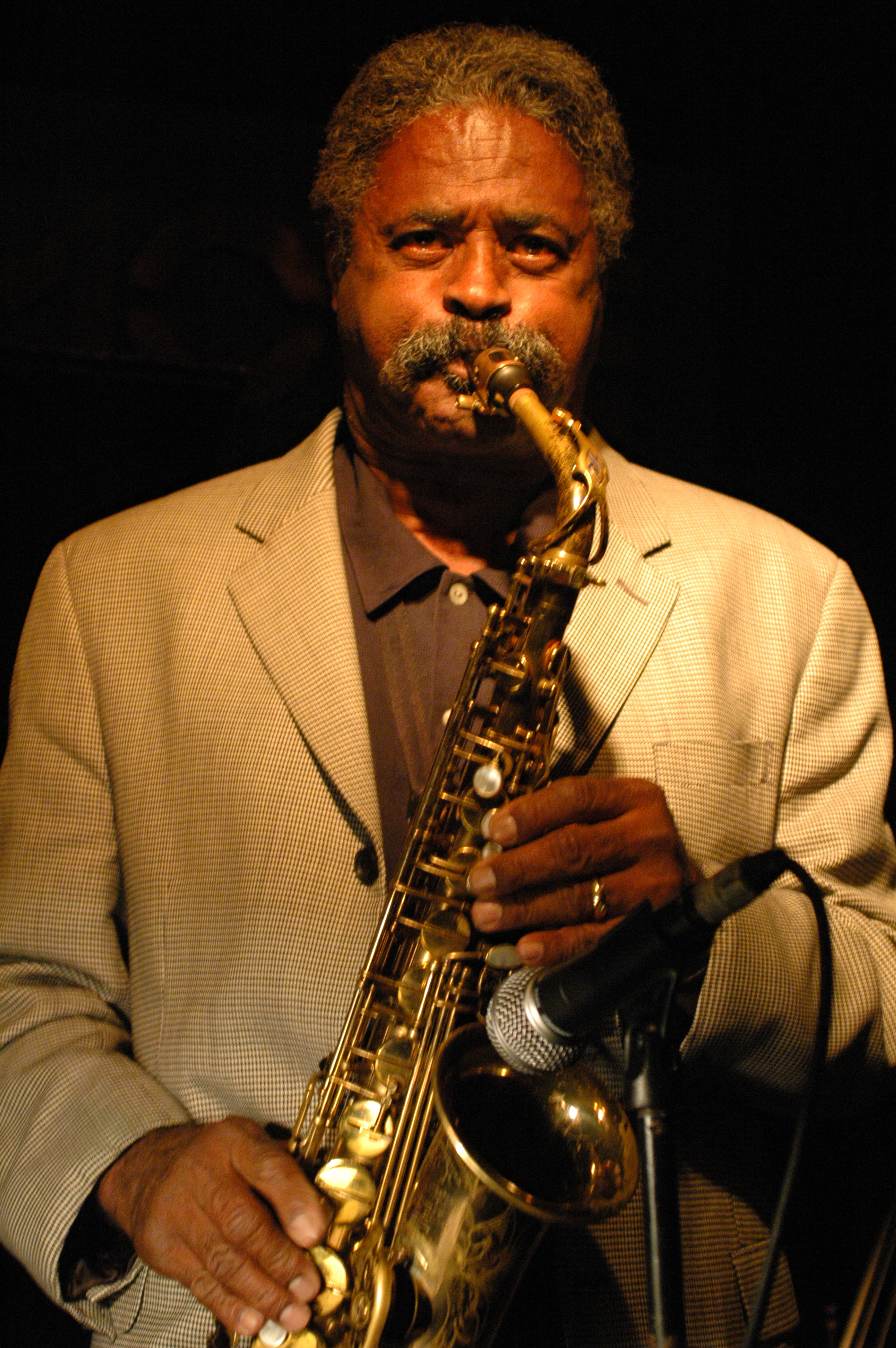
Introduction:
Charles McPherson is an illustrious figure in the jazz world, revered for his mastery of the alto saxophone and his unwavering dedication to the bebop tradition. Born eighty-five years ago today on July 24, 1939, in Joplin, Missouri, McPherson’s journey through the realms of jazz has been marked by significant collaborations, critical acclaim, and a rich discography that spans over six decades. As he celebrates his 85th birthday, it’s a fitting moment to reflect on his remarkable career and contributions to jazz.
Early Life and Musical Beginnings:
Charles McPherson was born in Joplin, Missouri, but his family relocated to Detroit, Michigan, when he was nine. Growing up in Detroit, a city known for its vibrant jazz scene, McPherson was immersed in music from an early age. He began playing the trumpet before switching to the alto saxophone, an instrument that would become his lifelong companion. His high school years were formative, marked by a deep dive into the world of jazz under the mentorship of pianist and educator Barry Harris. Harris, a significant influence on McPherson, provided him with a solid foundation in bebop, the revolutionary style pioneered by Charlie Parker.
Help yourself to some live jazz, and help the artists and clubs fulfill their dreams. Sign up to Oh! Jazz to watch live and on-demand performances. 25% of your subscription goes back to the artists and 10% to the clubs.
Learn more about Oh! Jazz here.
Joining Charles Mingus:
In the late 1950s, McPherson’s career took a pivotal turn when he joined the band of the legendary bassist and composer Charles Mingus. Introduced to Mingus by fellow Detroit saxophonist Yusef Lateef, McPherson quickly became an integral member of the group. His tenure with Mingus, which lasted intermittently from 1960 to 1974, was a period of intense musical growth and exploration. McPherson’s work with Mingus can be heard on landmark albums such as “Mingus” (1961), “Mingus at Monterey” (1965), and “Let My Children Hear Music” (1972). His performances on these recordings showcased his virtuosic technique and deep understanding of the bebop idiom, earning him critical acclaim.
Solo Career and Discography:
In addition to his work with Mingus, Charles McPherson established himself as a formidable bandleader and recording artist. His debut album as a leader, “Bebop Revisited!” (1964), released on Prestige Records, set the tone for his subsequent releases. Albums like “Con Alma!” (1965), “The Quintet/Live!” (1967), and “Horizons” (1969) further solidified his reputation as a leading exponent of bebop. McPherson’s playing, characterized by its soulful, hard-swinging style, was both a tribute to Charlie Parker and a testament to his unique voice on the alto saxophone.
McPherson’s discography is extensive and varied, featuring collaborations with notable jazz musicians and explorations of different musical styles. His recordings for labels such as Prestige, Mainstream, Xanadu, and Arabesque highlight his versatility and enduring relevance in the jazz world. Albums like “Today’s Man” (1973), “Beautiful!” (1975), and “Free Bop!” (1979) exemplify his ability to innovate within the bebop tradition while staying true to its core principles.
Relocation to the West Coast:
In 1979, Charles McPherson made a significant move to the West Coast, eventually settling in San Diego, California. This relocation marked a new chapter in his life and career. In San Diego, McPherson continued to perform and record, building a strong following in the local jazz scene. He also dedicated time to teaching, sharing his vast knowledge and experience with aspiring musicians. McPherson’s move to the West Coast did not diminish his influence or output; instead, it provided him with fresh opportunities to expand his musical horizons.
Recognition and Later Career:
Charles McPherson’s contributions to jazz have been widely recognized and celebrated. In 2020, he was named Artist of the Year by JazzTimes magazine in their readers’ poll, a testament to his enduring impact and popularity. His album “Jazz Dance Suites,” released the same year, was also selected as Best New Release. This recognition underscored McPherson’s continued relevance in the jazz world and his ability to captivate audiences with his music.
Throughout his career, McPherson has remained deeply committed to the bebop tradition, continually exploring its possibilities while paying homage to its pioneers. His passion for Charlie Parker’s music is evident in his numerous tributes and recordings, including his contributions to the soundtrack of Clint Eastwood’s 1988 film “Bird.” McPherson’s work on the soundtrack, which featured ensemble renditions of Parker’s compositions, showcased his deep connection to the bebop legacy.
Recent Projects and Legacy:
In recent years, Charles McPherson has continued to create and perform, demonstrating that his artistic spirit remains undiminished. His 2024 release, “Reverence,” is a poignant tribute to his mentor Barry Harris, reflecting McPherson’s enduring respect for the pianist’s influence on his musical development. This album, released on Smoke Sessions Records, features McPherson’s signature blend of lyrical improvisation and bebop sensibility, further solidifying his legacy as a torchbearer for the jazz tradition.
Charles McPherson’s influence extends beyond his recordings and performances. His dedication to preserving and advancing the bebop tradition has made him a revered figure in the jazz community, admired for his technical prowess, artistic integrity, and unwavering commitment to the music he loves.
Charles McPherson’s journey from the vibrant jazz scene of Detroit to the international stage is a testament to his talent, dedication, and passion for music. As he celebrates his 85th birthday, his contributions to jazz remain as vital and impactful as ever. Through his collaborations with legends like Charles Mingus and his extensive discography, McPherson has left an indelible mark on the jazz world. His music continues to inspire and captivate audiences, ensuring that the bebop tradition he cherishes will endure for generations to come.
References:
- Gioia, T. (2021). The History of Jazz. Oxford University Press.
- Charles McPherson picture. Retrieved from https://en.wikipedia.org/wiki/File:Charles_McPherson.jpg

Leave a Reply