Introduction:
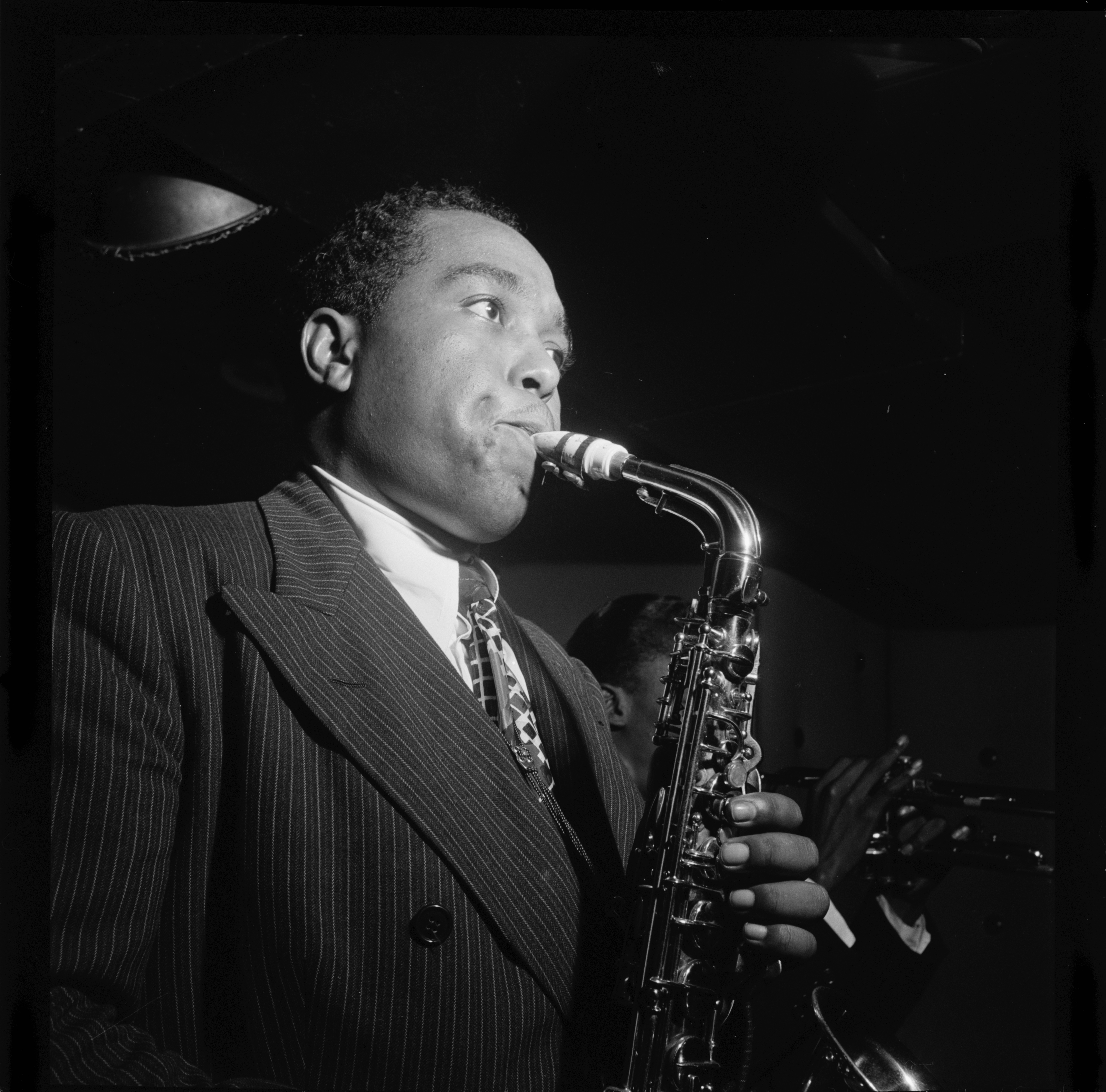
Charlie Parker, affectionately known as Bird, stands as one of the most influential figures in the history of jazz. His revolutionary approach to improvisation, virtuosic technique, and groundbreaking contributions to the development of bebop transformed the jazz landscape. In this blog post, we delve into the extraordinary life and musical legacy of Charlie Parker, exploring his artistic innovations, troubled journey, and enduring impact on jazz.
Early Life and Musical Journey:
Charlie Parker was born on August 29, 1920, in Kansas City, Kansas. Growing up in a vibrant musical environment, Parker’s love for music blossomed at a young age. He quickly developed a passion for the saxophone, and it wasn’t long before his talent and dedication propelled him into the heart of the jazz scene.
Help yourself to some live jazz, and help the artists and clubs fulfill their dreams. Sign up to Oh! Jazz to watch live and on-demand performances. 25% of your subscription goes back to the artists and 10% to the clubs.
Learn more about Oh! Jazz here.
Parker’s encounter with legendary saxophonist Lester Young proved to be a turning point in his musical development. Young’s melodic approach and unique tone inspired Parker to explore new frontiers of improvisation and find his distinctive voice. Drawing from the rich tradition of blues, swing, and harmony, Parker embarked on a journey of musical exploration that would shape the course of jazz history.
Revolutionizing Jazz with Bebop:
Charlie Parker’s most significant contribution to jazz came in the form of bebop, a revolutionary movement that challenged the conventions of swing and brought jazz into a new era. Alongside fellow pioneers such as Dizzy Gillespie, Thelonious Monk, and Bud Powell, Parker propelled the bebop movement forward, introducing intricate harmonic progressions, rapid tempos, and complex melodic lines.
Parker’s virtuosic improvisations, characterized by lightning-fast runs, rhythmic intricacies, and harmonic innovations, became the hallmark of bebop. His recordings, including “Ko-Ko,” “Confirmation,” and “Anthropology,” showcased his technical mastery and his ability to push the boundaries of jazz expression.
The Struggles, Legacy, and Cultural Impact of Charlie Parker:
Despite his immense musical talent, Charlie Parker faced personal struggles throughout his life. His battle with drug addiction and the accompanying physical and mental health issues took a toll on his career and ultimately led to his untimely death at the age of 34. However, his musical legacy and impact on jazz endure.
Parker’s influence extends far beyond his tragically short life. His innovations in bebop laid the foundation for modern jazz and inspired generations of musicians to explore new possibilities in improvisation, harmony, and rhythm. The bebop movement sparked a revolution in jazz, influencing subsequent genres like cool jazz, hard bop, and free jazz.
Charlie Parker’s impact extended beyond the realm of music. As a cultural icon, he symbolized the spirit of rebellion, artistic integrity, and individualism. His life and music resonated with the countercultural movements of the time, reflecting the desire for freedom, expression, and social change.
Parker’s influence on popular culture can be seen in films, literature, and visual art. His story has been told and retold, capturing the imagination of audiences around the world. His persona, marked by his iconic beret, expressive playing, and tormented life, remains a powerful symbol of artistic brilliance and human struggle.
The Enduring Influence of Charlie Parker:
Charlie Parker’s impact on jazz can be heard in the playing of countless musicians who followed in his footsteps. His influence extends to saxophonists such as John Coltrane, Sonny Rollins, and Cannonball Adderley, who all incorporated elements of Parker’s style into their own playing.
Moreover, Parker’s influence transcended instrumental boundaries, inspiring musicians from different backgrounds to embrace his musical language. His compositions, such as “Yardbird Suite” and “Billie’s Bounce,” continue to be celebrated as jazz standards, performed, and reinterpreted by artists across the globe.
Charlie Parker’s influence on the evolution of jazz cannot be overstated. His innovative approach to improvisation, his harmonic explorations, and his rhythmic complexity set new standards for the genre. His impact reverberated through subsequent jazz movements, from cool jazz to post-bop and beyond.
Parker’s technical virtuosity, combined with his deep understanding of harmony, inspired countless musicians to push the boundaries of their instruments and embrace new musical concepts. His recordings, such as “Now’s the Time,” “Ornithology,” and “Scrapple from the Apple,” remain essential studies for aspiring jazz musicians, serving as a gateway to understanding the intricacies of bebop.
Beyond his musical contributions, Parker’s approach to jazz embodied the spirit of innovation and artistic freedom. He encouraged musicians to explore their voices, take risks, and challenge the status quo. His unwavering dedication to his craft and his relentless pursuit of musical excellence continues to inspire aspiring jazz musicians to this day.
Conclusion:
Charlie Parker’s indelible mark on jazz is a testament to his unparalleled talent, artistic innovations, and enduring influence. As a pioneer of bebop, he redefined the possibilities of jazz improvisation and left an indelible imprint on the genre’s evolution. Despite his struggles, Parker’s music continues to captivate audiences and inspire musicians, reminding us of his genius and the transformative power of jazz.
Charlie Parker’s legacy lives on in the countless musicians he influenced, the recordings that stand as testaments to his artistry, and the ongoing exploration of jazz as a vehicle for creative expression. As we celebrate the genius of Charlie Parker, let us recognize the profound impact he had on music, culture, and the human spirit.
References:
- Giddins, G. (2013). “Celebrating Bird: The Triumph of Charlie Parker.” University of Minnesota Press.
- Gioia, T. (2021). “The History of Jazz.” Oxford University Press.
- Parker, C., & Murray, A. L. (2013). “Charlie Parker Omnibook: For C Instruments.” Hal Leonard Corporation.
- Reisner, R. (1977). “Bird: The Legend of Charlie Parker.” Da Capo Press.
- DeVeaux, S. (1999). “The Birth of Bebop: A Social and Musical History.” University of California Press.
- Charlie Parker picture. Retrieved from https://en.wikipedia.org/wiki/File:Portrait_of_Charlie_Parker_in_1947.jpg

Leave a Reply