Introduction:
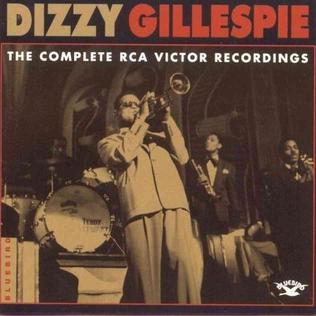
Dizzy Gillespie, the eminent trumpeter and composer, revolutionized jazz with his groundbreaking fusion of bebop and Latin rhythms. “The Complete RCA Victor Recordings,” a 1995 compilation, unveils Gillespie’s transformative journey through two decades of recording sessions for RCA Victor. This blog post delves into the significance of this compilation, exploring how it not only chronicles the evolution of bebop but also lays the foundation for the emergence of Afro-Cuban jazz.
Bebop Evolution and Latin Jazz Fusion:
At the core of “The Complete RCA Victor Recordings” lies the evolution of bebop, a revolutionary jazz genre characterized by intricate melodies and harmonies. Gillespie’s virtuosic trumpet skills and collaborations with luminaries like Charlie Parker spearheaded the bebop movement. The compilation offers invaluable insights into the development of this genre, showcasing tracks like “Anthropology” and “Ow!” that epitomize the bebop era.
Help yourself to some live jazz, and help the artists and clubs fulfill their dreams. Sign up to Oh! Jazz to watch live and on-demand performances. 25% of your subscription goes back to the artists and 10% to the clubs.
Learn more about Oh! Jazz here.
The Arrival of Afro-Cuban Jazz:
This compilation stands out because it was essential to the development of Afro-Cuban jazz. The arrival of Cuban conguero Chano Pozo on December 22, 1947, brought about a radical change in Gillespie’s style. Pozo’s captivating bongos and congas gave the music a fresh perspective and resulted in a fusion that was both inventive and captivating. The band’s groundbreaking attempts to merge bebop and Cuban jazz components resulted in masterpieces like “Manteca” and George Russell’s two-part “Cubano Be, Cubano Bop,” which are still considered landmarks in the annals of jazz.
Chano Pozo: A Catalyst for Change
Chano Pozo’s contribution cannot be overstated. His intricate rhythms and infectious grooves injected a vibrant energy into Gillespie’s music. The impact of Pozo’s Afro-Cuban influence reverberates through every track he collaborated on. Tragically, Pozo’s time with Gillespie was cut short, but his legacy endures in the seismic shift he brought to the landscape of jazz.
Expanding the Latin Palette:
Following Pozo’s untimely departure, Gillespie continued to explore Latin rhythms with fervor. The inclusion of additional Latin percussionists introduced a kaleidoscope of rhythmic variety. Tracks like “Guarachi Guaro” and reimagined standards like “That Old Black Magic” showcase Gillespie’s prowess in seamlessly blending Latin elements into diverse musical contexts.
Sound Engineering: Restoring Jazz Heritage
“The Complete RCA Victor Recordings” stands as a testament to the meticulous restoration of historic jazz recordings. Through the use of innovative techniques like CEDAR processing, these tracks have been preserved for posterity. While some imperfections persist, the compilation remains an invaluable archive of Gillespie’s musical evolution.
Dizzy Gillespie’s journey, as encapsulated in “The Complete RCA Victor Recordings,” is a testament to his unyielding pursuit of musical innovation. From the cradle of bebop to the heights of Afro-Cuban fusion, Gillespie’s influence is immeasurable. This compilation not only chronicles his legacy but also serves as a beacon for future generations of jazz aficionados and musicians. In every note, one can hear the heartbeat of a genre evolving, a testament to the transformative power of music.
References:
- Cook, R. & Morton, B. (2008). The Penguin Guide to Jazz Recordings. Penguin Books.
- “The Complete RCA Victor Recordings” album cover art. Retrieved from https://en.wikipedia.org/wiki/File:The_Complete_RCA_Victor_Recordings.jpg

Leave a Reply