Introduction:
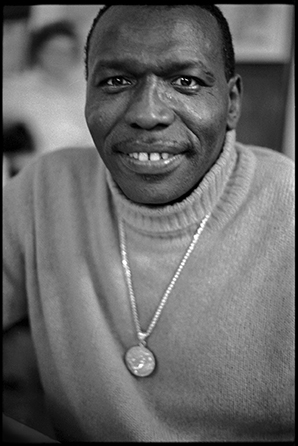
There is a pantheon of famous figures in jazz drumming who have left an indelible influence on the genre’s history. Elvin Jones is a titan among these geniuses, a rhythmic magician whose creative approach to the drum kit revolutionized jazz in profound ways. Born in Pontiac, Michigan, ninety-six years ago today on September 9, 1927, Elvin Ray Jones embarked on a musical path that would not only redefine drumming but also influence generations of musicians. This blog post honors Elvin Jones’ life, art, and legacy.
The Early Years: A Rhythmic Prodigy
Elvin Jones was born into a musical family, with his brothers Hank and Thad Jones both becoming well-known jazz musicians. His early exposure to music, combined with his innate talent, resulted in the rapid advancement of his drumming talents. Jones began his professional career in 1949 with a brief stint in a bar on Grand River Street in Detroit. He eventually went on to work with artists such as Billy Mitchell and Wardell Gray. Following a failed audition for the Benny Goodman band in 1955, he found work in New York City, working with Miles Davis and Charles Mingus on their “Blue Moods” album on Mingus’ co-owned Debut label. During the late 1950s, Jones was a member of the Sonny Rollins trio that recorded most of the album “A Night at the Village Vanguard,” which is regarded as a high point for both Rollins and 1950s jazz in general.
Help yourself to some live jazz, and help the artists and clubs fulfill their dreams. Sign up to Oh! Jazz to watch live and on-demand performances. 25% of your subscription goes back to the artists and 10% to the clubs.
Learn more about Oh! Jazz here.
Joining the John Coltrane Quartet: A Pioneering Collaboration
One of the defining moments of Elvin Jones’ career was his collaboration with saxophonist John Coltrane. In 1960, he joined the John Coltrane Quartet, a musical partnership that would change the course of jazz history. Jones’ approach to rhythm was groundbreaking. He introduced polyrhythmic elements into the quartet’s music, creating a pulsating, hypnotic quality that expanded the boundaries of jazz improvisation.
The “McCoy Tyner, Jimmy Garrison, and Elvin Jones” rhythm section became legendary. Their interplay was akin to a musical conversation, with Elvin’s propulsive, relentless drumming acting as the heartbeat of the quartet. The classic albums “A Love Supreme” (1965) and “Crescent” (1964) are prime examples of the quartet’s innovative approach, with Elvin’s drumming providing the canvas upon which Coltrane and the others painted their sonic explorations.
Influence and Innovation: Elvin’s Drumming Techniques
Elvin Jones’ drumming techniques were nothing short of revolutionary. He was known for his use of the “rhythm box” concept, which involved using all four limbs independently to create complex, overlapping rhythms. His polyrhythmic approach allowed him to maintain multiple rhythmic patterns simultaneously, a feat that left audiences and fellow musicians in awe.
One of his signature innovations was using a “ride” cymbal as a rhythmic center. Instead of adhering to a strict, metronomic beat, Elvin would vary the intensity and accents on the ride cymbal, creating a dynamic, organic pulse that drove the music forward. His drum solos were captivating journeys through rhythm, often described as spiritual experiences by those who witnessed them.
Beyond the drum kit, Elvin Jones’ use of small percussion instruments, like bells and shakers, added layers of texture and color to his drumming. His willingness to experiment with unconventional techniques and sounds expanded the possibilities of what drummers could bring to jazz music.
Legacy and Influence: Shaping Generations of Drummers
Elvin Jones’ influence on the world of drumming cannot be overstated. His innovative approach shattered preconceived notions of rhythm and drumming’s role in jazz. Drummers from all genres, not just jazz, have cited Elvin as a major influence on their playing. Some of his notable disciples include drumming luminaries like Bill Bruford, Brian Blade, Jeff “Tain” Watts, and Jack DeJohnette.
Elvin’s Legacy Beyond Music: A Man of Wisdom
Elvin Jones was not only a musical giant but also a man of wisdom and humility. His approach to life mirrored his approach to music—full of curiosity, open-mindedness, and a profound respect for the art form. His collaborations with artists like McCoy Tyner, Joe Farrell, and Michael Brecker showcased his versatility and willingness to embrace diverse musical landscapes.
Elvin Jones’ impact on jazz drumming and the world of music is immeasurable. His rhythmic innovations, boundless creativity, and relentless pursuit of musical excellence continue to inspire generations of musicians. Whether through his groundbreaking work with John Coltrane or his numerous collaborations and solo endeavors, Elvin Jones left an indelible mark on the world of music. His legacy serves as a testament to the power of innovation, collaboration, and the enduring magic of jazz.
References:
- Stryker, M. (2019). Jazz from Detroit. University of Michigan Press.
- Kernfeld, B. (2002). The New Grove Dictionary of Jazz. Oxford University Press.
- Elvin Jones picture. Retrieved from https://en.wikipedia.org/wiki/File:Elvin_Jones_1979_1.jpg

Leave a Reply