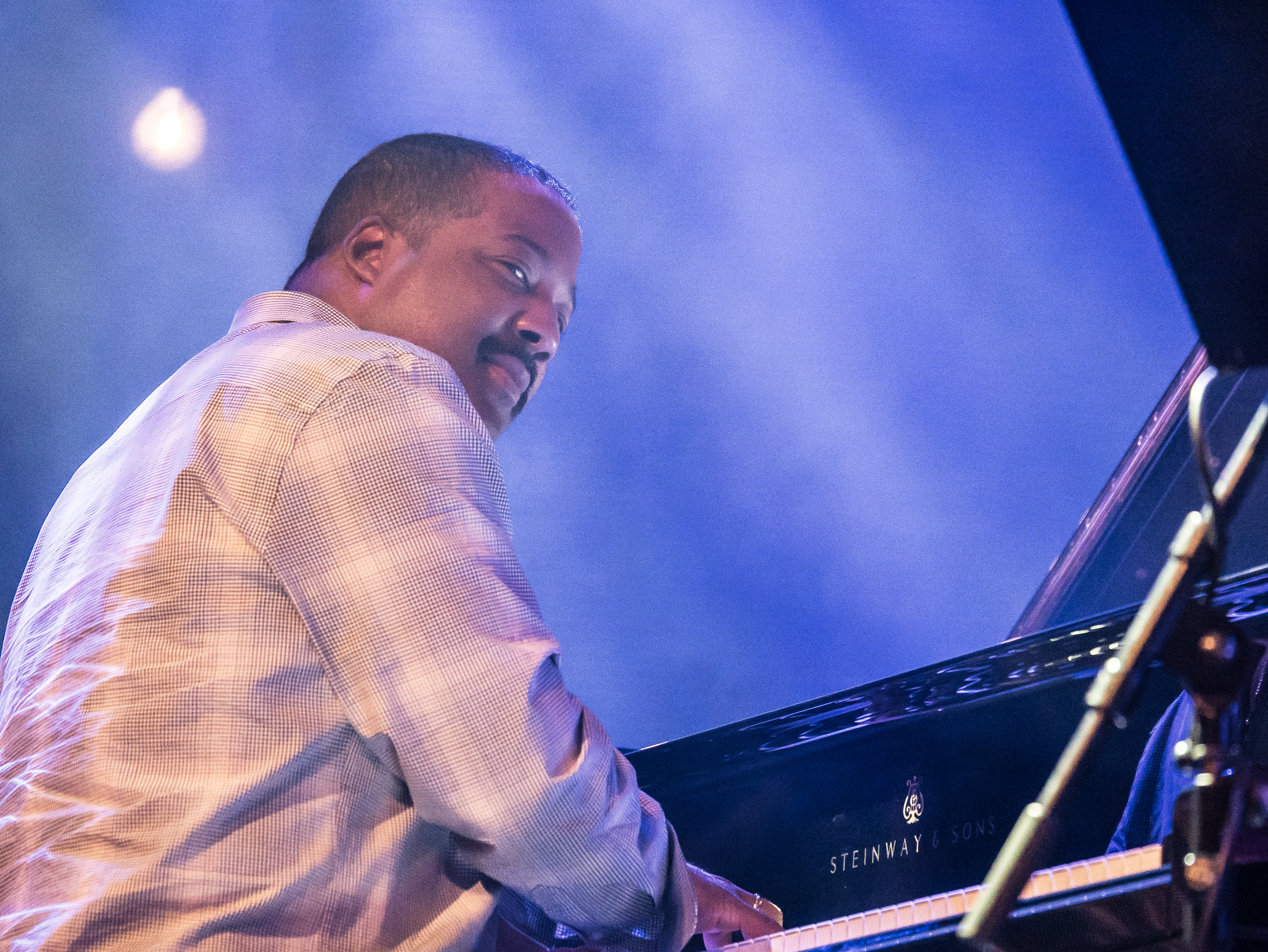
Introduction:
Artists with the natural capacity to enthrall listeners with their virtuosity, ingenuity, and spiritual expression may be found throughout the vast jazz world. Famous pianist and composer Eric Reed is one of those rare musicians who has left a lasting impression on the genre. Reed has made a name for himself in modern jazz thanks to his superb skill, extensive musical understanding, and intense sensitivity. Eric Reed’s life, artistry, and talents are examined in this blog post along with his musical career, standout compositions, and influence on the jazz scene.
Early Years and Musical Education:
Eric Reed was born fifty-three years ago today on June 21, 1970, in Philadelphia, Pennsylvania. Growing up in a musically inclined family, he was exposed to various genres of music from an early age. His passion for jazz was ignited when he first heard the music of pianist Wynton Kelly, which inspired him to embark on his own musical journey. Reed honed his skills as a pianist during his teenage years. These formative years laid the foundation for his development as a jazz musician.
Help yourself to some live jazz, and help the artists and clubs fulfill their dreams. Sign up to Oh! Jazz to watch live and on-demand performances. 25% of your subscription goes back to the artists and 10% to the clubs.
Learn more about Oh! Jazz here.
Rise to Prominence:
Reed’s rise to prominence in the jazz scene began in the 1990s. He gained recognition as a member of Wynton Marsalis’ band and showcased his exceptional talents on numerous recordings. His debut album as a bandleader, “A Soldier’s Hymn,” released in 1990, received critical acclaim for its lyrical beauty and insightful compositions. From that point forward, Reed’s career skyrocketed, and he established himself as one of the leading voices of his generation.
Musical Style and Influences:
Reed’s musical style is characterized by his exquisite touch, harmonic complexity, and melodic inventiveness. Drawing inspiration from jazz greats such as Thelonious Monk, Bud Powell, and McCoy Tyner, he developed a distinctive voice that merges tradition with modern sensibilities. His compositions encompass a wide range of emotions, reflecting his deep understanding of jazz history and his ability to infuse his own experiences and emotions into his music.
Notable Works:
Throughout his prolific career, Eric Reed has released numerous albums that showcase his versatility and creative prowess. Some notable works include “Pure Imagination,” a collection of jazz interpretations of beloved movie themes, and “The Baddest Monk,” a tribute to Thelonious Monk. Reed’s ability to recontextualize classic tunes while maintaining their essence is a testament to his musical brilliance. His discography also includes collaborations with esteemed artists such as Wycliffe Gordon and Terell Stafford, further solidifying his reputation as a sought-after collaborator and musical innovator.
Legacy and Impact:
The influence of Eric Reed goes far beyond his outstanding performances and albums. He has made an enduring contribution to jazz as an artist, motivating other musicians and enthralling audiences all around the world. His innovative creative works have pushed the frontiers of the style, demonstrating his extraordinary talent, originality, and intimate knowledge of jazz traditions. Through his creative compositions and reimaginings of classic songs, Reed has given the jazz repertoire new life, preserving its relevance and vitality in the modern era.
Jazz fans and aspiring musicians alike are inspired by Reed’s passion for his craft and the persistent pursuit of musical greatness. His intimate ties to the jazz tradition and his ability to communicate directly to the hearts of his listeners enable him to express a wide spectrum of emotions through his music. Reed has solidified his status as a great innovator in the jazz world by boldly forging new musical ground while upholding a profound reverence for the genre’s rich history.
Additionally, Reed’s openness to performing onstage with other artists and his collaborative nature have fostered artistic relationships and cross-pollination within the jazz scene. His associations with eminent musicians of many generations and musical eras have produced innovative musical exchanges that extend the envelope of jazz. Through these partnerships, Reed has helped the jazz music community come together, cross divides, and advance the growth and evolution of the genre.
Eric Reed’s artistic vision has profoundly impacted the jazz scene. His proficiency with the piano, great musical understanding, and commitment to the preservation of jazz has won him widespread acclaim. Reed has established himself as a significant player in modern jazz with his superb records and enthralling live performances. We can only look forward to Eric Reed’s musical legacy continuing to expand and the influence he will undoubtedly have on upcoming jazz musician generations as we continue to appreciate and celebrate the genius of his music.
References:
- Gioia, T. (2021). “The History of Jazz.” Oxford University Press.
- Eric Reed picture. Retrieved from https://en.wikipedia.org/wiki/File:Eric_Reed_-1030884.jpg

Leave a Reply