Introduction:
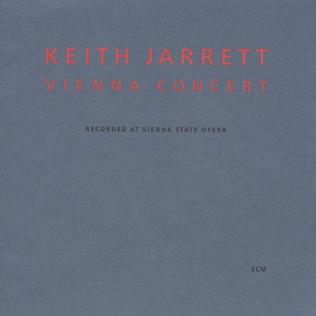
In the realm of solo piano performances, Keith Jarrett’s “Vienna Concert” stands as a testament to the transformative power of music. Recorded live on July 13, 1991, at the historic Vienna Staatsoper in Austria, this album is a jewel in Jarrett’s illustrious career. Released by ECM Records in 1992, it’s a remarkable journey that showcases Jarrett’s ability to bridge classical influences with his trademark improvisational prowess. In this blog post, we’ll delve into the depths of this captivating concert, exploring its unique structure, critical reception, and the enduring legacy it leaves in the world of jazz.
The Language of the Flame:
In the liner notes, Jarrett himself reflects, “I have courted the fire for a very long time, and many sparks have flown in the past, but the music on this recording speaks, finally, the language of the flame itself.” This evocative statement encapsulates the essence of the “Vienna Concert.” It reveals Jarrett’s long-standing pursuit of musical excellence and his intimate relationship with the creative process.
Help yourself to some live jazz, and help the artists and clubs fulfill their dreams. Sign up to Oh! Jazz to watch live and on-demand performances. 25% of your subscription goes back to the artists and 10% to the clubs.
Learn more about Oh! Jazz here.
A Majestic Arch: Part I
The concert unfurls with a monumental arch-like movement that spans an awe-inspiring forty-two minutes. Opening with a simple yet profound chorale, Jarrett’s touch is both devotional and trenchant. Suddenly, the music takes a daring turn, embarking on a complex and agitated toccata devoid of a fixed key center. Jarrett’s technical prowess is on full display here, with dazzling and darting runs that leave listeners in awe. This segment seamlessly transitions into a grand tonal passage that pays homage to the great European piano concertos. The movement concludes with a quietly affirmative finale, leaving the audience spellbound.
Shifting Landscapes: Part II
The second part of the concert, while shorter, is no less impactful. It ebbs and surges around shimmering tremolos and a brief pulsating rhythm. In this section, Jarrett’s music evokes a sense of the Middle East, at times reminiscent of the medieval “Dies Irae.” The piece traverses through a diverse musical landscape, painting vivid sonic imagery that captivates the listener’s imagination.
Eurocentric Brilliance:
“Vienna Concert” is notable for its Eurocentric influences, perhaps influenced by the grandeur of the Vienna Staatsoper. It showcases a structured approach that sets it apart from Jarrett’s earlier improvised concerts. This shift towards a more classical structure allows the listener to witness Jarrett’s remarkable versatility and his ability to navigate various musical idioms with ease.
Critical Acclaim:
The reception of “Vienna Concert” has been overwhelmingly positive. Music critic Richard S. Ginell, in his review for Allmusic, awarded the album a well-deserved four stars. He praises Jarrett’s performance as “his most impressive solo performances since Sun Bear,” highlighting the Eurocentric influences that make this concert particularly special.
“Vienna Concert” stands as a monumental achievement in Keith Jarrett’s illustrious career. It embodies a fusion of classical grandeur with Jarrett’s unparalleled improvisational prowess. The concert’s structured approach and Eurocentric influences make it a unique gem in the realm of solo piano performances. As Jarrett himself asserts, the music on this recording speaks the language of the flame itself, leaving an indelible mark on the world of jazz.
References:
- Cook, R. & Morton, B. (2008). The Penguin Guide to Jazz Recordings. Penguin Books.
- “Vienna Concert” album cover art. Retrieved from https://en.wikipedia.org/wiki/File:Vienna_Concert.jpg

Leave a Reply