Introduction:
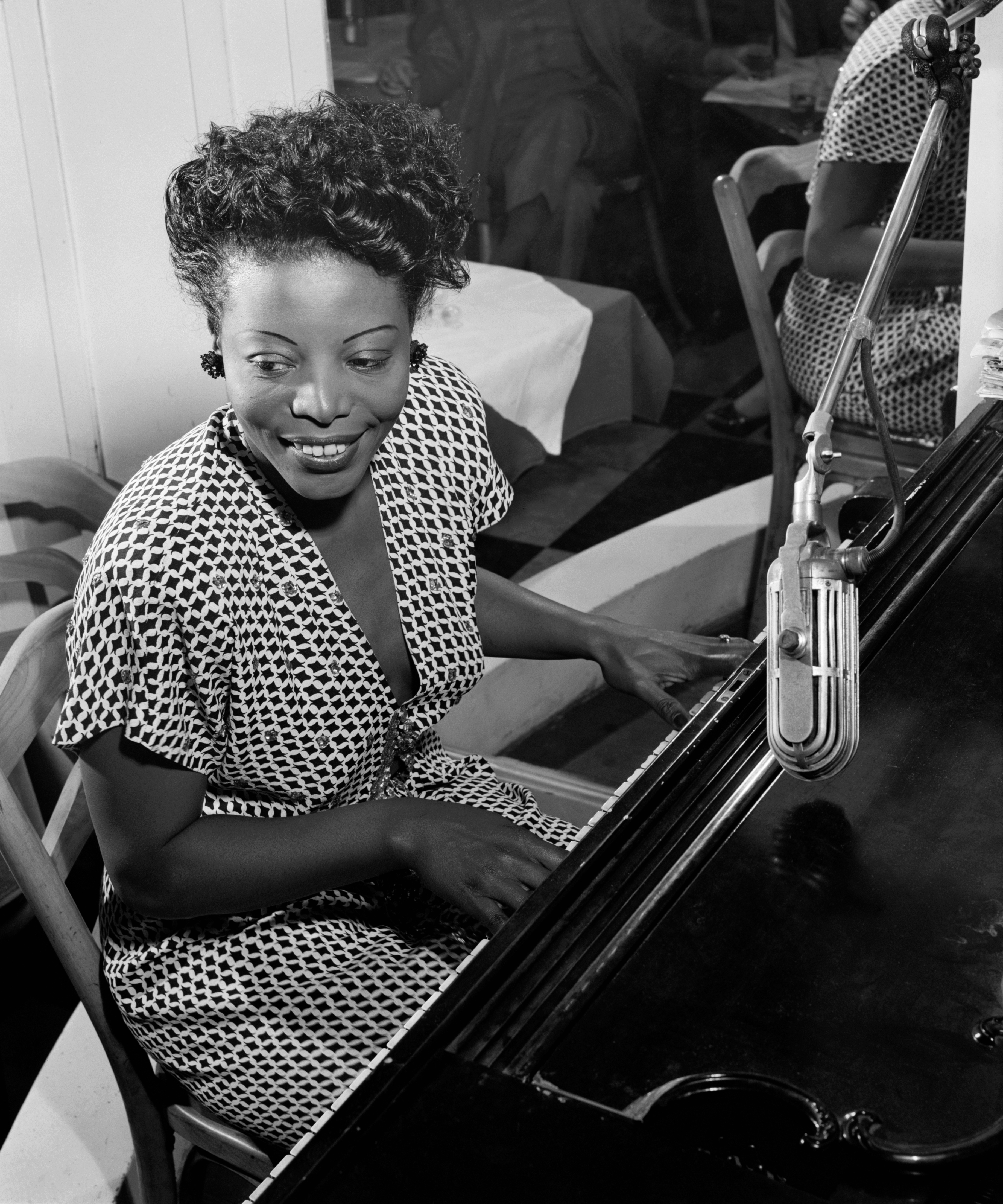
Mary Lou Williams, an extraordinary pianist, composer, and arranger, played a pivotal role in shaping the landscape of jazz music. Her remarkable talent, innovative arrangements, and unwavering dedication to her craft made her one of the most influential figures in the history of jazz. In this blog post, we explore the life, music, and lasting impact of Mary Lou Williams, shedding light on her remarkable contributions to the world of jazz.
Early Life and Musical Beginnings:
Born in 1910 in Atlanta, Georgia, Mary Lou Williams exhibited prodigious musical talent from a young age. Her early piano training and exposure to the vibrant jazz scene in Pittsburgh provided the foundation for her musical journey. Williams quickly rose to prominence, gaining recognition for her virtuosity, creativity, and unique improvisational style.
Help yourself to some live jazz, and help the artists and clubs fulfill their dreams. Sign up to Oh! Jazz to watch live and on-demand performances. 25% of your subscription goes back to the artists and 10% to the clubs.
Learn more about Oh! Jazz here.
The Swing Era and Collaborations:
During the swing era of the 1930s and 1940s, Mary Lou Williams found herself at the forefront of jazz innovation. She worked with prominent bands and musicians, including Duke Ellington, Benny Goodman, and Andy Kirk, contributing her distinctive arrangements and compositions that pushed the boundaries of the genre.
Musical Evolution and Stylistic Exploration:
Williams’ music evolved alongside the changing landscape of jazz. Her compositions incorporated elements of swing, bebop, and even spiritual music, showcasing her versatility and adaptability. She constantly experimented with different styles, blending influences from classical music, blues, and gospel, resulting in a unique and groundbreaking sound.
Leadership and Mentorship:
In addition to her remarkable musical career, Mary Lou Williams dedicated herself to teaching and mentoring young musicians. Her passion for education and desire to share her knowledge and experiences led her to become an influential figure in jazz education, particularly for emerging artists and female musicians. Through her teachings, she left an indelible mark on the jazz community, nurturing talent, and inspiring future generations.
One of the notable musicians Mary Lou Williams taught was Dizzy Gillespie, a legendary trumpeter and composer. Williams recognized Gillespie’s talent early on and played a crucial role in his development as a musician. She took him under her wing and provided him with guidance, sharing her knowledge of harmony, arranging, and improvisation. Williams’ mentorship greatly influenced Gillespie’s artistic growth, and he went on to become one of the most innovative and influential figures in jazz history.
Another musician who benefited from Mary Lou Williams’ mentorship was Thelonious Monk, an iconic pianist and composer. Williams recognized Monk’s unique approach to composition and piano playing and encouraged him to explore his distinct musical voice. She provided him with guidance on harmonic concepts and encouraged his unconventional style, helping to shape his artistic identity. Monk’s association with Williams and her teachings played a significant role in his development as a visionary jazz artist.
Beyond Gillespie and Monk, Mary Lou Williams taught and influenced numerous other musicians, including Bud Powell, Charlie Parker, and Sarah Vaughan, among many others. Her teaching methods focused on nurturing creativity, emphasizing the importance of individual expression, and encouraging musicians to push the boundaries of convention. Through her mentorship, she empowered young artists to find their artistic voices and make their mark in the jazz world.
Mary Lou Williams’ impact as an educator extended beyond individual mentorship. She also organized workshops and clinics, where she shared her knowledge and insights with aspiring musicians. These educational initiatives provided a platform for learning, collaboration, and growth within the jazz community. Williams’ dedication to education and her passion for empowering young musicians created a ripple effect, influencing and shaping the trajectory of countless careers in jazz.
Today, the legacy of Mary Lou Williams’ teachings lives on through the musicians she mentored. Many of her students have become influential figures, carrying forward her commitment to innovation, creativity, and excellence in jazz music. Her influence can be heard in their compositions, arrangements, and improvisations, reflecting the lessons they learned under her guidance.
Mary Lou Williams’ impact as an educator goes beyond her direct contributions to individual musicians. Through her teachings, she fostered a culture of learning and mentorship within the jazz community, inspiring musicians to pass on their knowledge and inspire future generations. Her commitment to education and her unwavering support for aspiring artists have left an enduring mark on the jazz world, ensuring that her influence continues to shape the landscape of jazz music for years to come.
Spiritual Journey and Sacred Music:
In the 1950s, Mary Lou Williams experienced a profound spiritual transformation that deeply influenced her musical direction. She immersed herself in studying religious music and eventually composed a series of works known as “Zodiac Suite” and “Black Christ of the Andes.” These compositions showcased her ability to infuse jazz with spiritual and devotional elements, forging a new path in jazz expression.
Later Career and Legacy:
Throughout her later career, Mary Lou Williams continued to compose, perform, and inspire audiences with her unique voice. She became an influential figure in jazz education, sharing her knowledge and insights through workshops and lectures. Her contributions were recognized with numerous awards, including the National Medal of Arts, cementing her place in jazz history.
Conclusion:
Mary Lou Williams’ exceptional talent, innovation, and fearlessness as a jazz musician continue to reverberate in the hearts and minds of musicians and fans worldwide. Her musical legacy, encompassing a vast repertoire of compositions, groundbreaking arrangements, and a commitment to mentorship and inclusion, solidifies her as one of the most important figures in jazz history. Mary Lou Williams’ contributions continue to inspire future generations, reminding us of the transformative power of music and the indomitable spirit of artistic expression.
References:
- Schuller, G. (1991). The Swing Era: The Development of Jazz, 1930-1945. Oxford University Press.
- Kernfeld, B. (Ed.). (2002). The New Grove Dictionary of Jazz. Oxford University Press.
- Gillespie, D. & Fraser, A. (1985). To Be or Not to Bop: Memoirs of Dizzy Gillespie. Da Capo Press.
- Mary Lou Williams picture. Retrieved from https://en.wikipedia.org/wiki/File:Mary_Lou_Williams_(Gottlieb_09231)_-_Crop.jpg
_-_Crop.jpg)
Leave a Reply