Introduction:
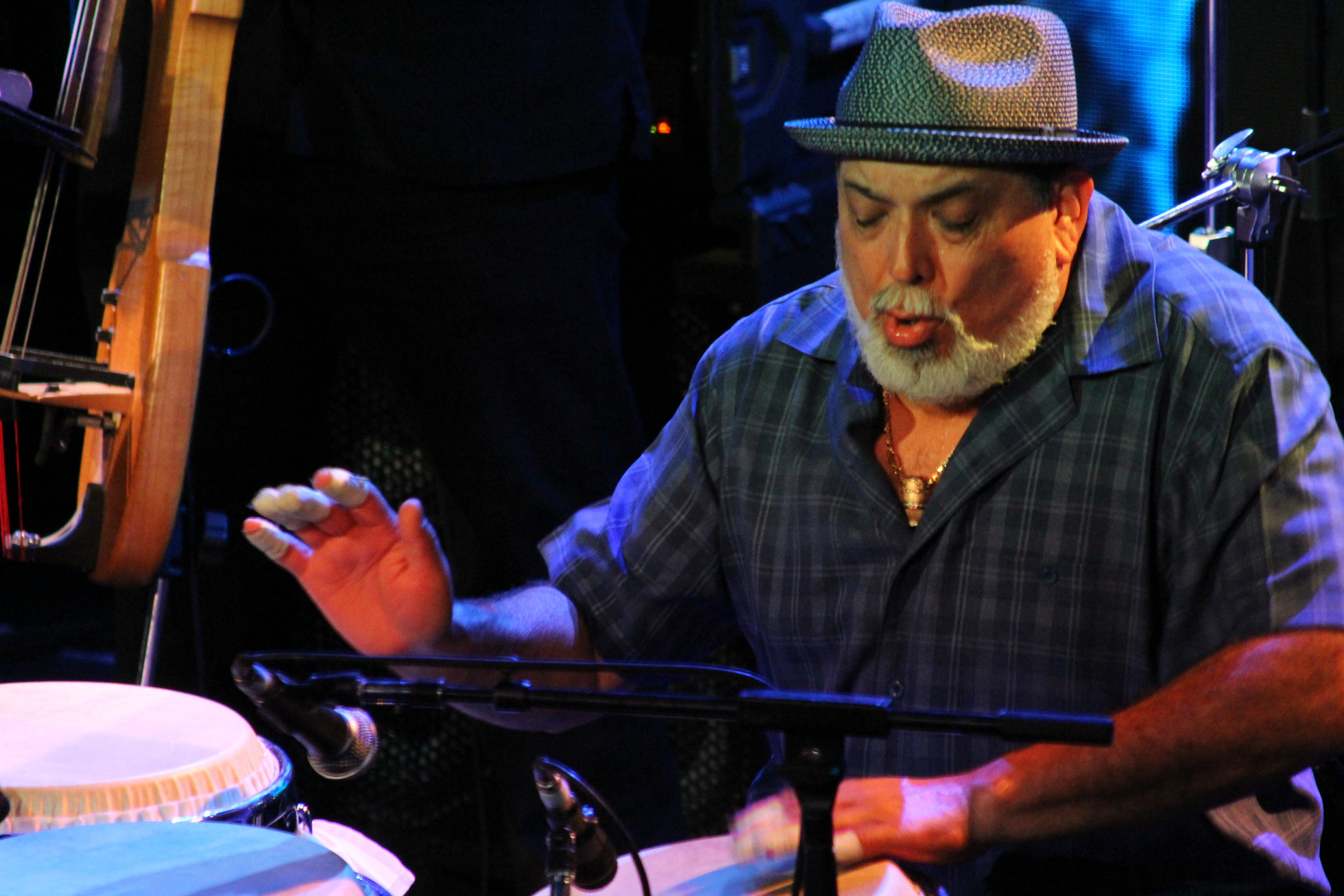
Poncho Sanchez is a name synonymous with Latin jazz, and his influence in the genre has resonated for decades. As a percussionist, singer, and bandleader, Sanchez’s approach to music is dynamic, soulful, and deeply rooted in tradition. Known for his conga mastery and captivating live performances, Sanchez has worked with some of the most prominent figures in jazz and has inspired countless musicians with his fusion of Afro-Cuban rhythms and jazz harmonies. This blog post explores Sanchez’s life, musical journey, and the impact he has made on Latin jazz.
Early Life and Influences:
Born in Laredo, Texas, seventy-three years ago today on October 30, 1951, Poncho Sanchez grew up in Norwalk, California, after his family moved there when he was a young boy. Raised in a large Mexican-American household, Sanchez was immersed in music from an early age. His musical upbringing was shaped by the vibrant sounds of Afro-Cuban genres like mambo, son, cha-cha-chá, rumba, guaracha, and changüí, thanks to influences like Tito Puente. Alongside these Latin rhythms, he was equally captivated by the energy of bebop jazz, drawing inspiration from legends like Dizzy Gillespie and Charlie Parker. This unique blend of cultural influences laid the foundation for his future in Latin jazz.
Help yourself to some live jazz, and help the artists and clubs fulfill their dreams. Sign up to Oh! Jazz to watch live and on-demand performances. 25% of your subscription goes back to the artists and 10% to the clubs.
Learn more about Oh! Jazz here.
As a teenager, Sanchez initially pursued guitar and flute but eventually gravitated toward percussion, especially the congas. It was in the polyrhythmic, energetic beats of Afro-Cuban music that he found his true voice as a musician. Listening to Latin jazz records and studying the techniques of the conga masters, Sanchez refined his craft, blending traditional Afro-Cuban rhythms with American jazz influences.
Discovering Latin Jazz and Cal Tjader:
The turning point in Poncho Sanchez’s musical journey came when he encountered the music of Cal Tjader, a prominent Latin jazz vibraphonist who played a pivotal role in popularizing the genre in the United States. Tjader’s music, which effortlessly blended jazz, mambo, and cha-cha-chá, resonated deeply with Sanchez, who saw in Tjader’s work a reflection of his own cultural and musical heritage.
In 1975, Sanchez’s dream came true when he was invited to audition for Tjader’s band. Tjader was impressed by Sanchez’s skill and hired him on the spot, marking the beginning of a close collaboration that would last until Tjader died in 1982. As part of Tjader’s ensemble, Sanchez traveled internationally and performed for diverse audiences, gaining exposure and refining his skills under the guidance of his mentor. Tjader taught Sanchez the nuances of Latin jazz, both on and off the stage, and the two formed a strong musical bond.
Going Solo and Establishing His Sound:
After Tjader’s death, Sanchez embarked on a solo career, determined to carry on the legacy of Latin jazz while incorporating his own unique style. Sanchez’s sound was a mix of Afro-Cuban rhythms, jazz improvisation, and the rich Mexican-American musical traditions he grew up with.
By the mid-1980s, Sanchez signed with Concord Picante, a subsidiary of Concord Records, which became a home for many Latin jazz musicians. With Concord, Sanchez released a series of albums that defined his sound and solidified his position as one of the leading voices in Latin jazz. Albums like “Papa Gato” and “Chile Con Soul” received critical acclaim for their high-energy arrangements and infectious rhythms, earning Sanchez a loyal fan base.
Musical Style and Signature Sound:
Poncho Sanchez’s musical style is distinguished by his powerful, emotive conga playing and his ability to blend multiple musical traditions. Rooted in Afro-Cuban rhythms, his music often includes elements of mambo, cha-cha-chá, salsa, and jazz. Sanchez’s rhythmic foundation on the congas is complemented by his ensemble, which typically includes horns, piano, bass, timbales, and bongos. His band’s tight, cohesive sound provides the ideal backdrop for his energetic and soulful playing.
Grammy Recognition and Career Highlights:
Poncho Sanchez’s contributions to Latin jazz have not gone unrecognized. In 2000, he won the Grammy Award for Best Latin Jazz Album for “Latin Soul,” a record that epitomized his innovative approach to blending jazz with Latin music. The album’s success brought Sanchez to the forefront of the Latin jazz scene and solidified his reputation as a master of the genre. “Latin Soul” features standout tracks like “Watermelon Man,” a reimagined version of Herbie Hancock’s classic tune infused with Latin rhythms and a compelling groove that exemplifies Sanchez’s unique style.
Over the years, Sanchez has continued to release a series of well-received albums, each showcasing his growth as a musician and his commitment to exploring new musical landscapes. Albums like “Out of Sight!” and “Raise Your Hand” highlight Sanchez’s versatility as an artist and his ability to bridge genres, bringing together diverse musical elements into a cohesive sound that appeals to a broad audience.
Live Performances and Legacy:
Poncho Sanchez is widely regarded as one of the most captivating live performers in Latin jazz. His concerts are lively, rhythmic celebrations that capture the essence of Afro-Cuban and Latin music, drawing audiences into a world of dance and rhythm. Sanchez’s charisma and energy on stage have made him a favorite at jazz festivals around the world, and his performances continue to attract fans of all ages.
Through his live performances, Sanchez also fulfills an educational role, introducing audiences to the rich cultural history of Latin jazz. He often provides context for the music, sharing stories about the genre’s origins and the musicians who inspired him. For Sanchez, preserving the legacy of Latin jazz is as important as creating new music, and he is committed to passing on the tradition to future generations.
Influence on Latin Jazz and Contemporary Music:
Poncho Sanchez has played a crucial role in shaping the landscape of Latin jazz. His work has inspired a new generation of musicians who look up to him as a pioneer in the genre. Sanchez’s fusion of jazz, Afro-Cuban, and Mexican-American influences has helped to broaden the appeal of Latin jazz, bringing it to audiences who may not have encountered it otherwise. His music resonates not only with Latin jazz fans but also with jazz enthusiasts and newcomers to the genre.
Poncho Sanchez’s contribution to Latin jazz is immense. With his powerful conga playing, innovative musical approach, and dedication to preserving Latin jazz traditions, Sanchez has become a beloved figure in the world of jazz. His music is a celebration of cultural fusion and rhythmic vitality, reflecting his deep love for Afro-Cuban music and jazz.
As he continues to perform and record, Sanchez remains a vibrant force in the genre, inspiring both audiences and fellow musicians. His legacy is one of rhythm, soul, and passion for music, and his influence on Latin jazz will endure for generations to come.
References:
- Gioia, T. (2021). The History of Jazz. Oxford University Press.
- Washburne, C. (2008). Sounding Salsa: Performing Latin Music in New York City. Temple University Press.
- Larkin, C. (2006). The Encyclopedia of Popular Music. Oxford University Press.
- Kernfeld, B. (2003). The New Grove Dictionary of Jazz. Oxford University Press.
- Poncho Sanchez picture. Retrieved from https://en.wikipedia.org/wiki/File:Poncho_Sanchez_performing_at_Jazz_Cruise_2014.jpg


Leave a Reply to ronlewisny2024Cancel reply