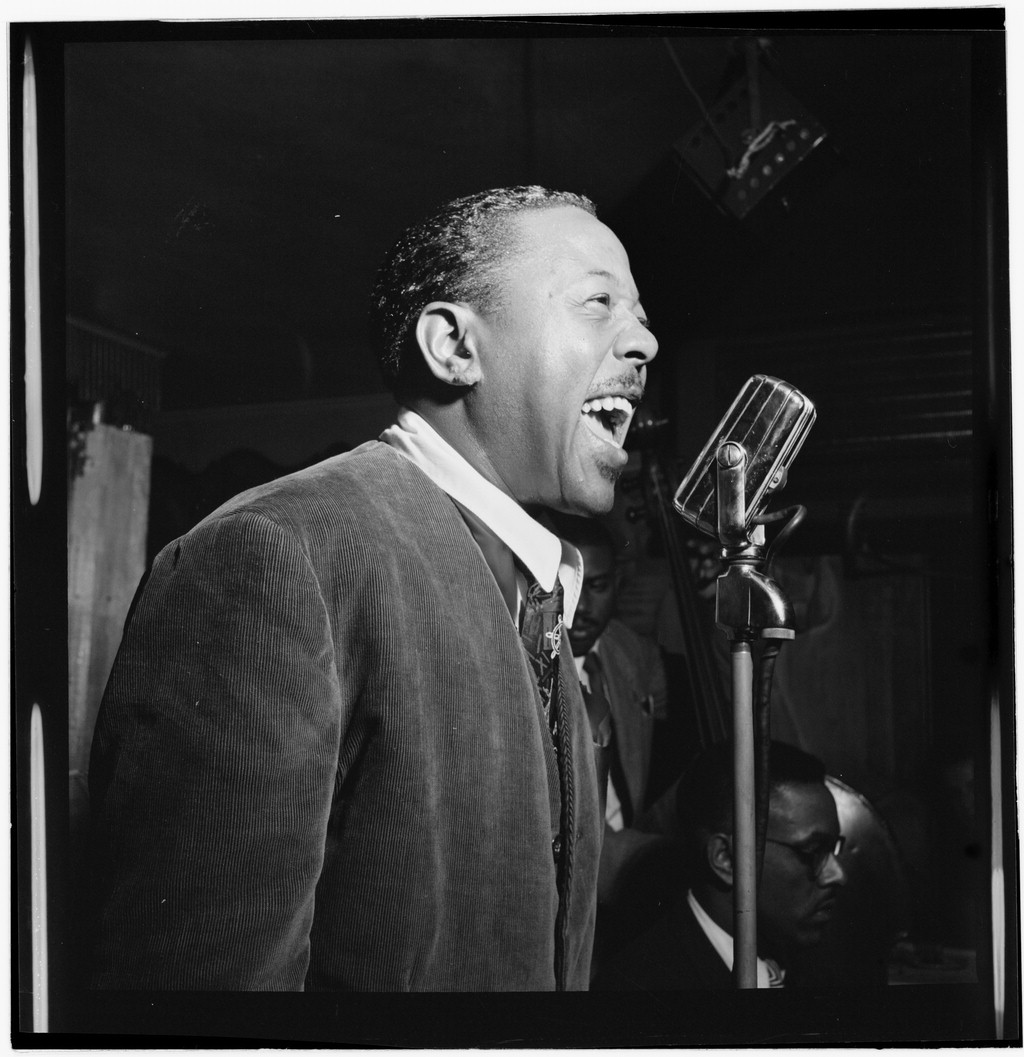
Introduction:
In the rich tapestry of jazz history, few figures shine as brightly as Roy Eldridge. Born one hundred and thirteen years ago today on January 30, 1911, in Pittsburgh, Pennsylvania, Eldridge rose to prominence during the Swing Era, leaving an indelible mark on the world of jazz. Renowned for his virtuosic trumpet playing, innovative style, and energetic stage presence, Eldridge’s influence extended beyond his era, shaping the course of jazz for generations to come.
Early Years and Musical Roots:
David Roy Eldridge, fondly nicknamed “Little Jazz,” exhibited a precocious love for music from a young age. Raised in a family where music was a way of life, he initially explored the piano, making his first foray into the world of music at the age of five. By six, he delved into the rhythm of percussion, taking lessons and performing locally. The transition to the trumpet came later, but it was a pivotal moment in Eldridge’s life. The tragic death of his mother when he was eleven, followed by his father’s remarriage, became a turning point. Motivated by these life changes, Eldridge immersed himself in the rigorous practice of his chosen instrument. Secluding himself in his room for hours on end, he focused intensely on refining his trumpet skills, with special attention to mastering the instrument’s demanding upper register. This period of dedicated practice laid the foundation for the remarkable musical journey that would define Roy Eldridge’s legacy in jazz.
Help yourself to some live jazz, and help the artists and clubs fulfill their dreams. Sign up to Oh! Jazz to watch live and on-demand performances. 25% of your subscription goes back to the artists and 10% to the clubs.
Learn more about Oh! Jazz here.
Swinging Through the Big Band Era:
Eldridge’s breakthrough came in 1941 when he joined the big band of the groundbreaking drummer and bandleader, Gene Krupa. His blazing solos and impeccable sense of swing quickly gained attention, marking him as a force to be reckoned with in the competitive jazz landscape.
His tenure with Krupa was followed by a stint with Artie Shaw. Eldridge’s electrifying trumpet work became a defining element of the big band sound, and his collaborations with these giants of jazz solidified his reputation as a leading figure in the Swing Era.
Innovation and Trumpet Prowess:
Eldridge’s trumpet style was a revelation. Drawing inspiration from his predecessors like Louis Armstrong, he pushed the boundaries of technical proficiency and unleashed a torrent of notes with unparalleled precision. His mastery of the instrument, characterized by rapid-fire phrases and a searing, expressive tone, set new standards for trumpet players.
Breaking Barriers:
As an African American musician in an era marked by racial segregation, Eldridge faced numerous challenges. However, his talent transcended these barriers, earning him respect and admiration across racial lines. Eldridge’s collaborations with white musicians contributed to breaking down racial barriers in the jazz community.
Legacy and Later Years:
Eldridge’s influence reverberated through the generations. His impact on the development of bebop, a revolutionary movement in jazz, is particularly noteworthy. Young trumpeters like Dizzy Gillespie drew inspiration from Eldridge’s groundbreaking approach, infusing it with their own innovations to propel jazz into new realms.
In his later years, Eldridge continued to perform and record, leaving behind a discography that attests to his enduring artistry. Notable recordings from this period include collaborations with Ella Fitzgerald and Oscar Peterson, showcasing the timeless quality of his musical expression.
The life and career of Roy Eldridge serve as evidence of jazz’s transformational potential. Eldridge’s trumpet virtuosity left a lasting impression on the genre, from the smoky clubs of Pittsburgh to the great stages of the Swing Era and beyond. His persistent dedication to his craft, audacious inventiveness, and trailblazing spirit guarantee that “Little Jazz” will live on forever in the annals of jazz history.
References:
- Chilton, J. (2002). Roy Eldridge, Little Jazz Giant. Bloomsbury Academic.
- Giddins, G. (2000). Rhythm-a-ning: Jazz Tradition And Innovation. Da Capo Press.
- Kernfeld, B. (2003). The New Grove Dictionary of Jazz. Oxford University Press.
- Roy Eldridge picture. Retrieved from https://en.wikipedia.org/wiki/File:Roy_Eldridge,_Spotlite_(Club),_New_York,_ca._Nov._1946_(William_P._Gottlieb_02271).jpg
,_New_York,_ca._Nov._1946_(William_P._Gottlieb_02271).jpg)
Leave a Reply