Introduction:
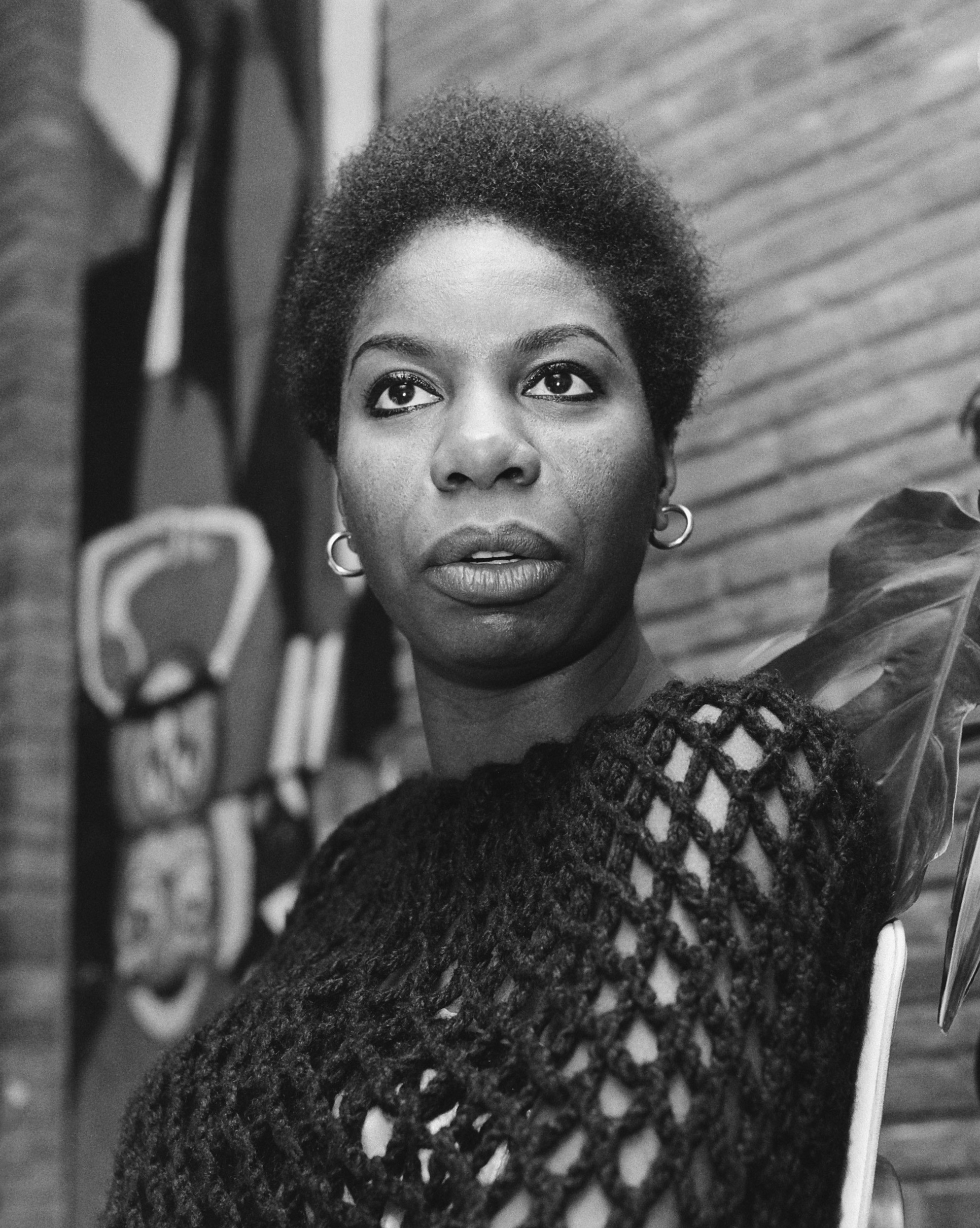
Nina Simone, born Eunice Kathleen Waymon ninety-one years ago today on February 21, 1933, in Tryon, North Carolina, was a revolutionary artist whose music transcended genres, blending elements of jazz, blues, classical, and folk. Her distinctive voice, coupled with her profound songwriting and piano skills, made her a singular figure in the world of music. Often referred to as the “High Priestess of Soul,” Simone’s work was deeply intertwined with her activism, as she used her platform to advocate for civil rights and social justice.
Early Life and Musical Beginnings:
Growing up in a segregated South, Simone showed an early aptitude for music, learning to play the piano by ear at the age of three. Despite facing racial discrimination, she pursued her passion for music and eventually attended the Juilliard School of Music in New York City. However, her dream of becoming a classical pianist was derailed when she was denied entry into the Curtis Institute of Music in Philadelphia due to her race. Undeterred, Simone began performing in clubs to support herself, adopting the stage name Nina Simone. Her unique blend of jazz, blues, and classical music quickly garnered attention, and she signed her first record deal in the late 1950s.
Help yourself to some live jazz, and help the artists and clubs fulfill their dreams. Sign up to Oh! Jazz to watch live and on-demand performances. 25% of your subscription goes back to the artists and 10% to the clubs.
Learn more about Oh! Jazz here.
Musical Career and Activism:
The civil rights movement of the 1960s had a strong influence on Simone’s music. Songs like “Mississippi Goddam” and “To Be Young, Gifted, and Black” became anthems for the movement, portraying the grief, wrath, and hope of African Americans seeking equality. Her music was a potent weapon for bringing attention to racial injustice, and she used her platform to speak out against prejudice and segregation.
Despite receiving criticism for her activism, Simone remained unapologetic, believing that artists had a responsibility to reflect the times they lived in. Her music continued to expand, adding gospel, soul, and African influences, solidifying her reputation as a musical pioneer.
Later Years and Legacy:
Simone’s career began to suffer in the 1970s as she dealt with mental health challenges and financial difficulties. She lived in exile in Africa and Europe for the remainder of her life. Despite her difficulties, Simone’s music endured, and she continued to inspire a new generation of musicians with her powerful voice and unwavering spirit.
Nina Simone passed away on April 21, 2003, but her legacy lives on. She was posthumously inducted into the Rock and Roll Hall of Fame in 2018, a testament to her enduring impact on music and culture. Today, Simone is remembered not only for her incredible talent but also for her courage and resilience in the face of adversity. She will forever be remembered as a true iconoclast and a voice for change.
References:
- Light, A. (2017). What Happened, Miss Simone? A Biography. Canongate Books.
- Lynskey, D. (2011). 33 Revolutions per Minute: A History of Protest Songs, from Billie Holiday to Green Day. Ecco.
- Nina Simone picture. Retrieved from https://en.wikipedia.org/wiki/File:Nina_Simone_1965_-_restoration1.jpg


Leave a Reply